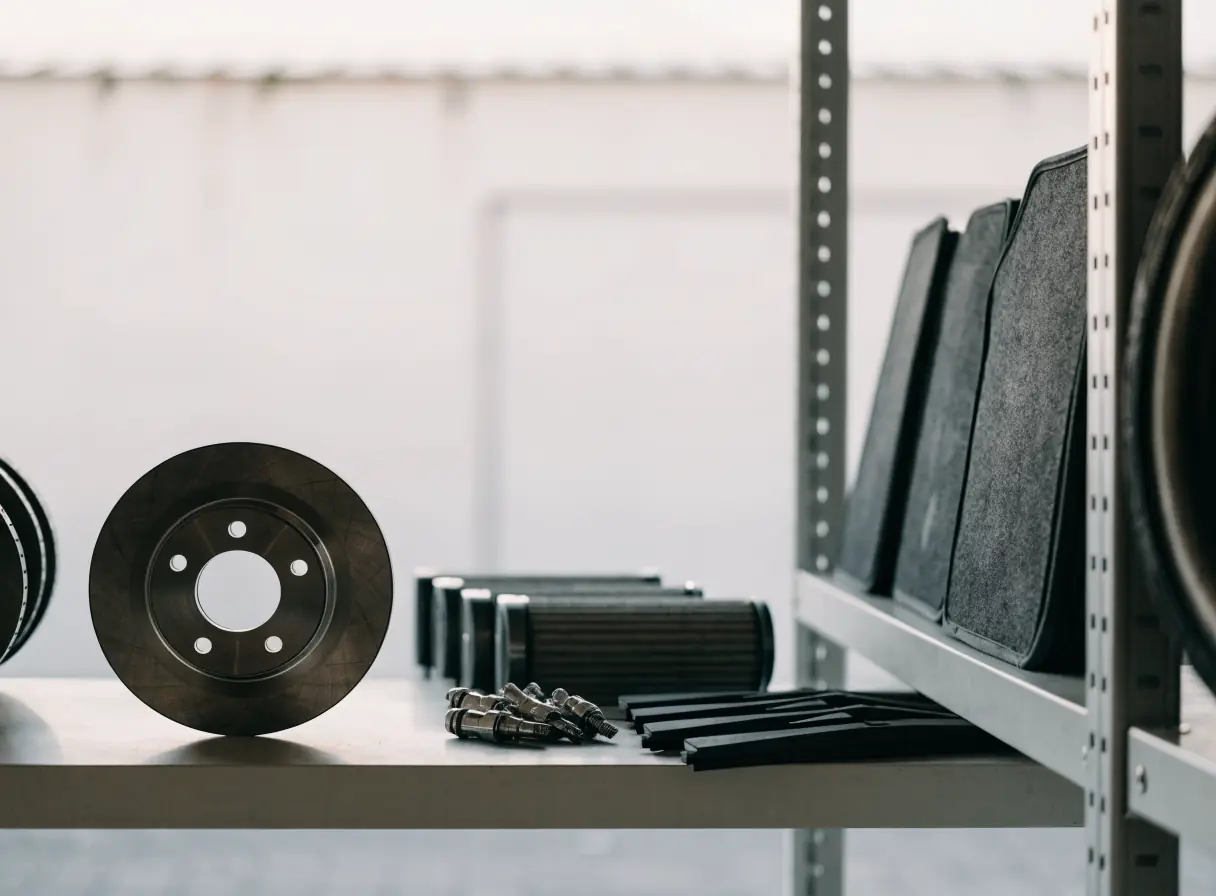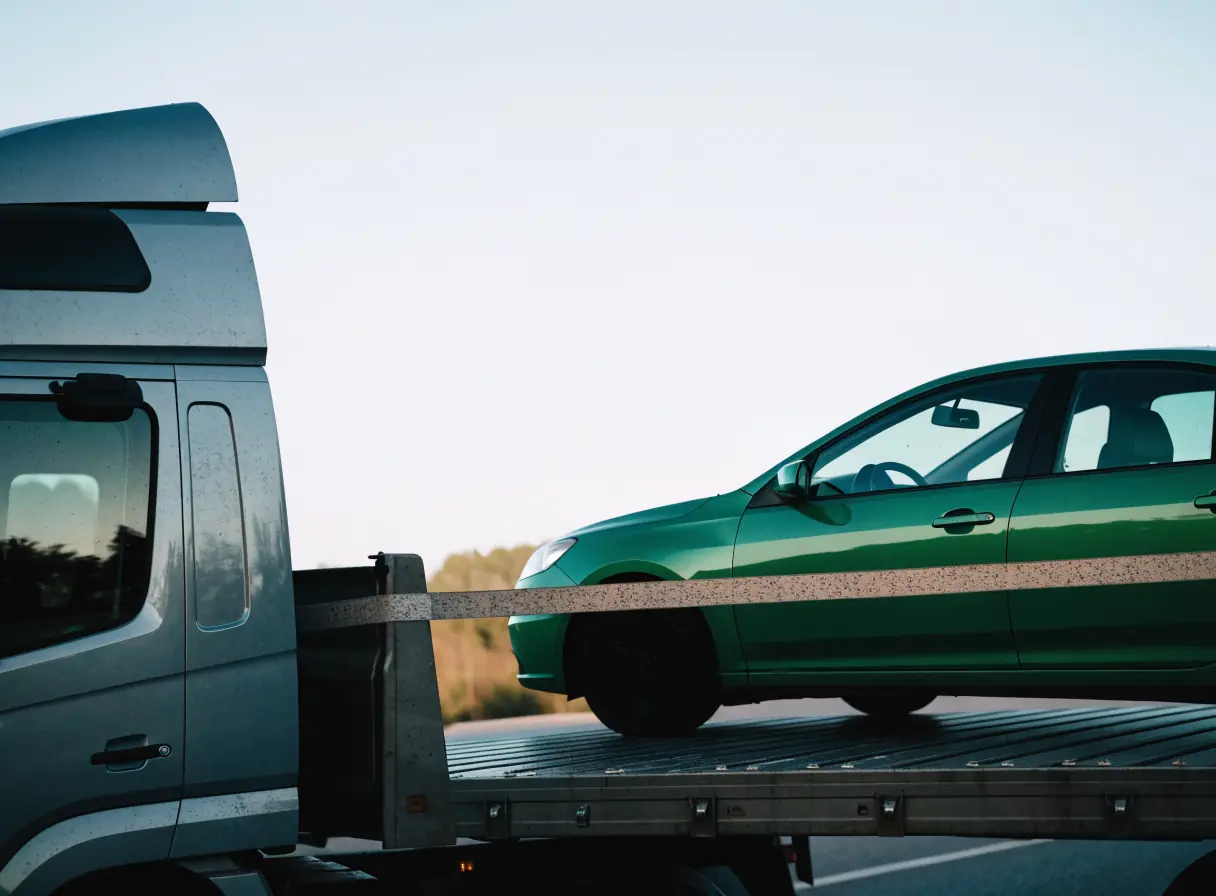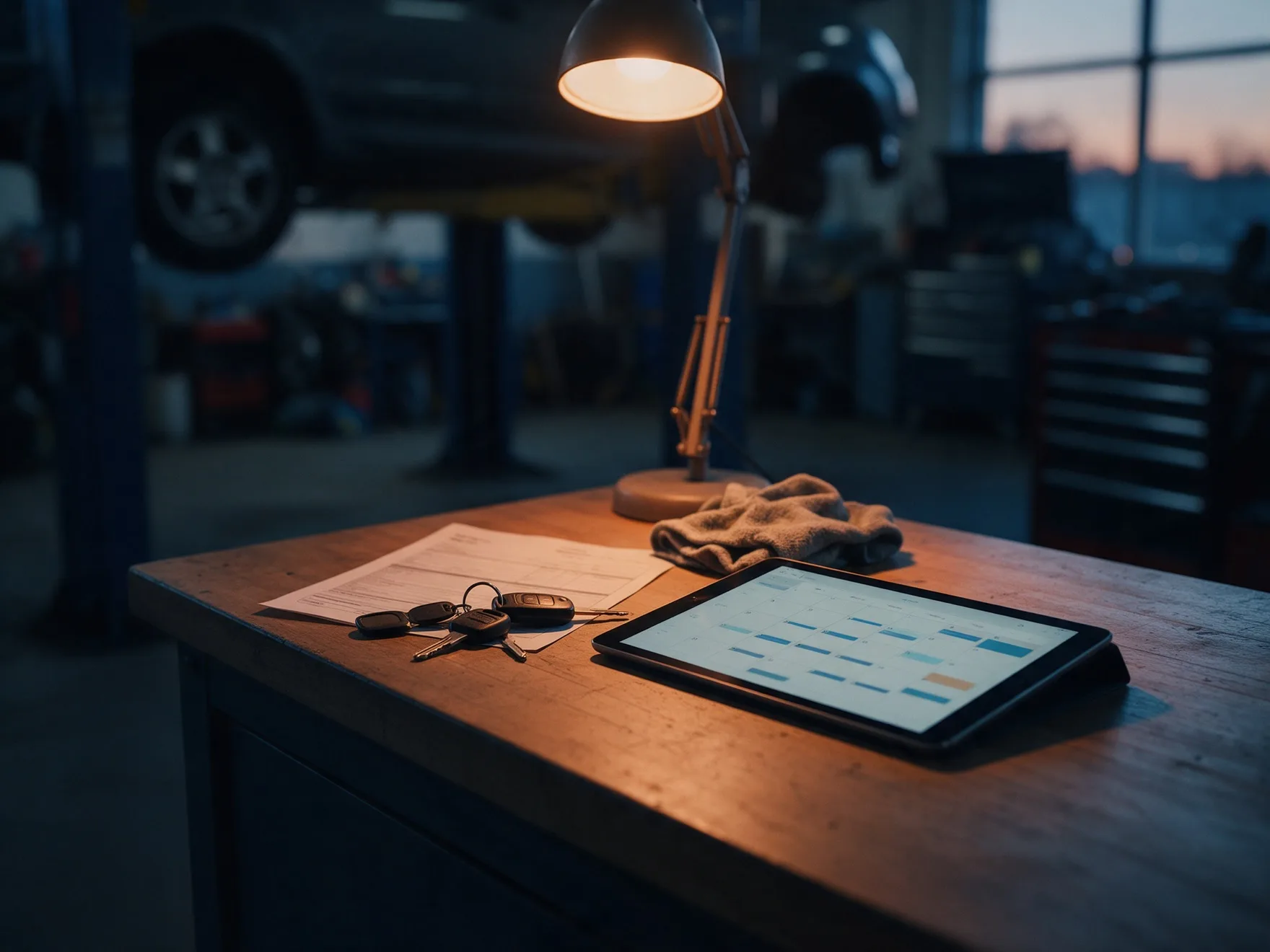
Shopping, service, and roadside visitors need different information, and a good automotive site recognizes that before it asks anyone to fill out a form.
Scayver Graphix plans automotive website design around those decisions, then connects the content, search path, development, and ongoing care that support them.
Automotive website design that separates shopping from service.
Vehicle sales pages need current inventory details, meaningful filters, and a clear way to ask about a specific vehicle. Repair and maintenance pages need service scope, location, hours, scheduling instructions, and what a customer should prepare. Roadside work may need a direct call path that stays visible on a phone. Combining all three into one generic contact page makes a visitor do the sorting.
We map the major journeys first. Then we give each one an appropriate landing page, navigation label, and next action. A business with only one line of work does not need a dealership-sized site structure. The content model follows the actual offer.
Keep inventory, hours, and prices accurate.
Inventory, availability, service areas, hours, and prices can change. The website needs a clear source for each item and an owner who can update it. A manually copied vehicle description can become wrong as soon as the source inventory changes. A service page can make a promise that the scheduling team cannot fulfill if its scope is out of date.
Where a connected inventory or booking tool makes sense, we define the data source, update path, and fallback before integration. Where it does not, a simpler page and inquiry workflow may serve customers better. CRM integration can preserve the vehicle or service context of a request when the current system supports it.
Answer local searches with useful pages.
Someone searching for a repair type near them may need a different answer from someone comparing a car model. Search pages should describe the actual service, the practical decision, and the next step. Local SEO can connect real locations and service areas to accurate site content.
Good automotive copy also makes qualification easier. A quote request can ask for the vehicle, service need, and preferred contact method without asking for information the team does not use. Custom quote forms can collect exactly that and nothing extra.
Design for the moment the customer is in.
People may browse vehicles at home, check repair information in a parking lot, or need help from the roadside. Mobile layout, tap targets, readable hours, and visible location information matter because the context changes. The page should show the most relevant action early and still provide enough detail for an informed decision.
After launch, website care can cover changing details, critical forms, connected tools, links, and the journeys customers use most.
Pick the customer route to fix first.
Finding a vehicle, understanding a service, requesting a quote, and reaching the right location are separate problems. Name the one that costs you the most inquiries, and we can scope a focused fix for it.