People discover an activity because it looks interesting, and they commit once they know what it is and how to join.
Scayver Graphix connects that moment of interest to a clear participation path, planning the content, experience, booking handoff, and upkeep as one system.
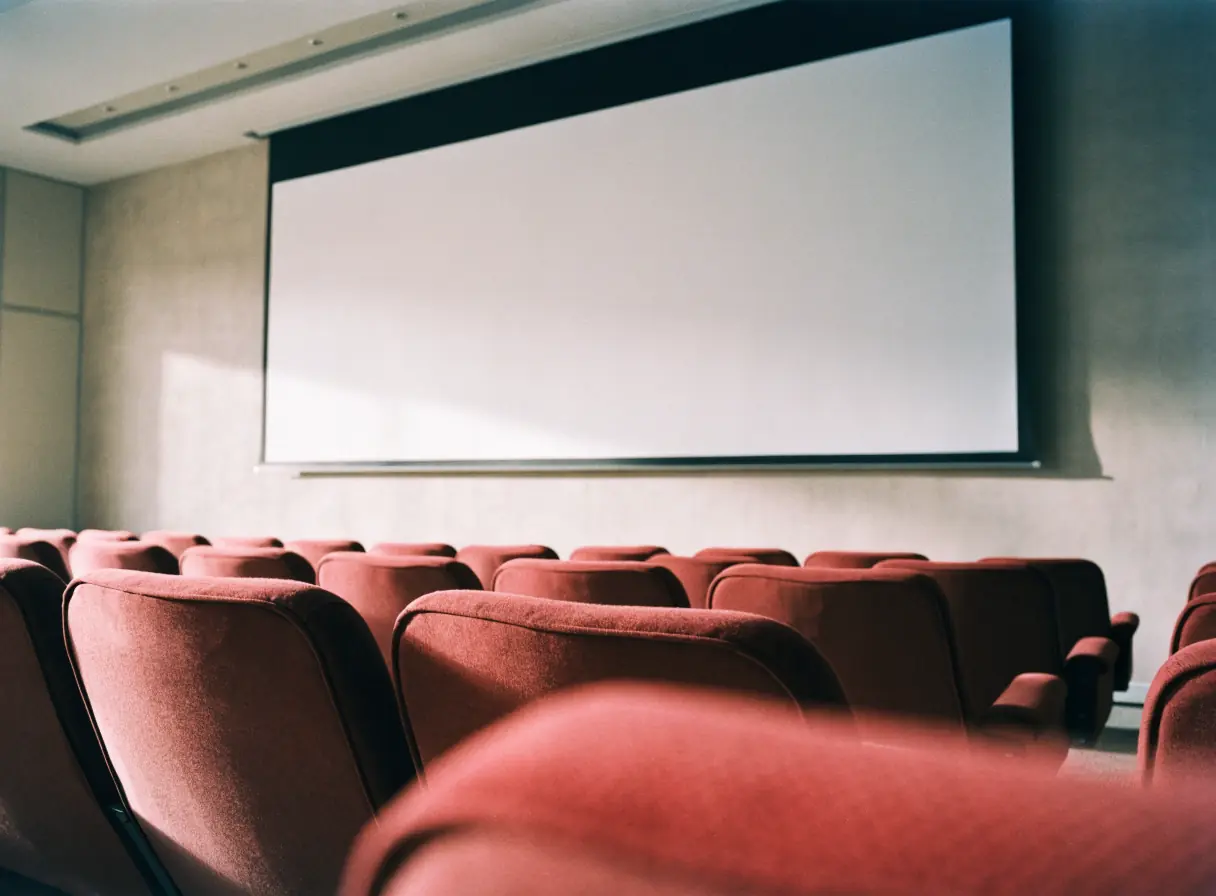
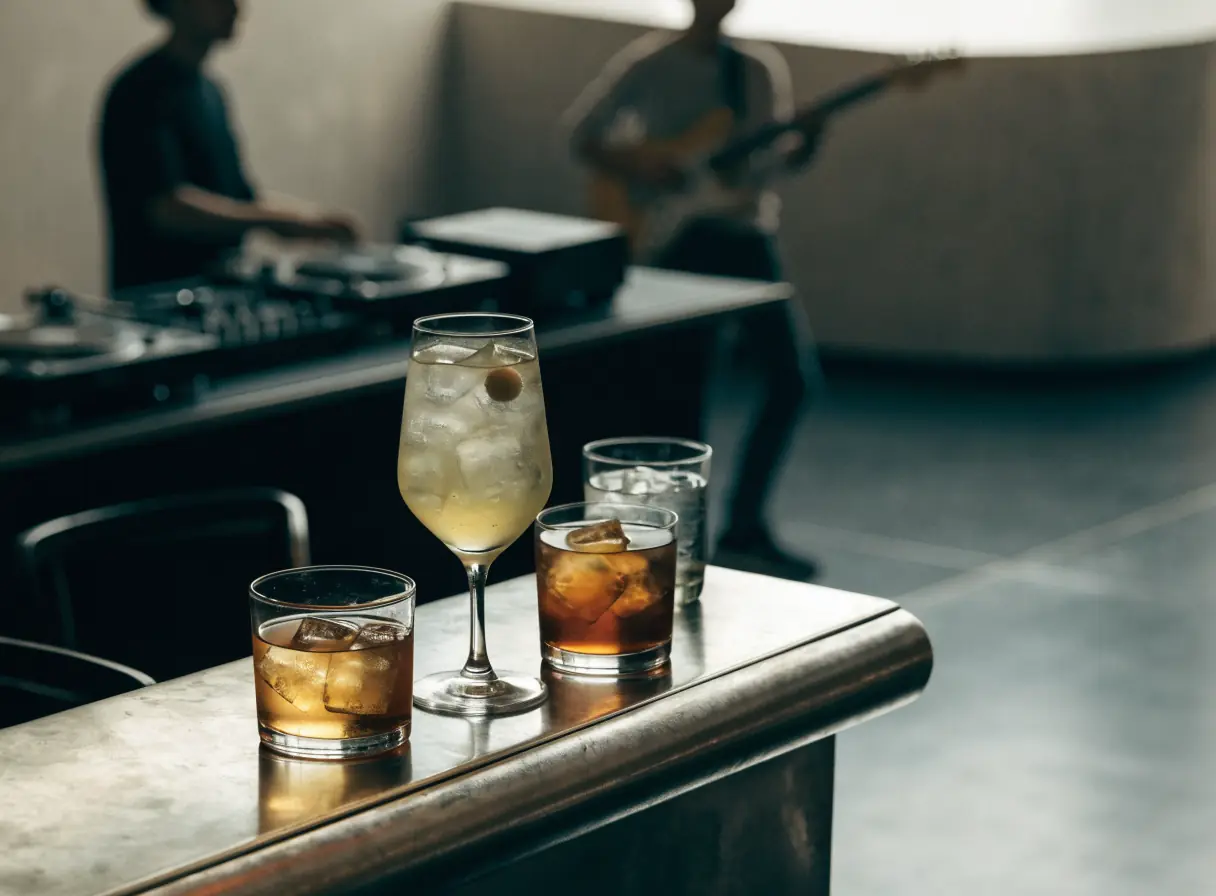
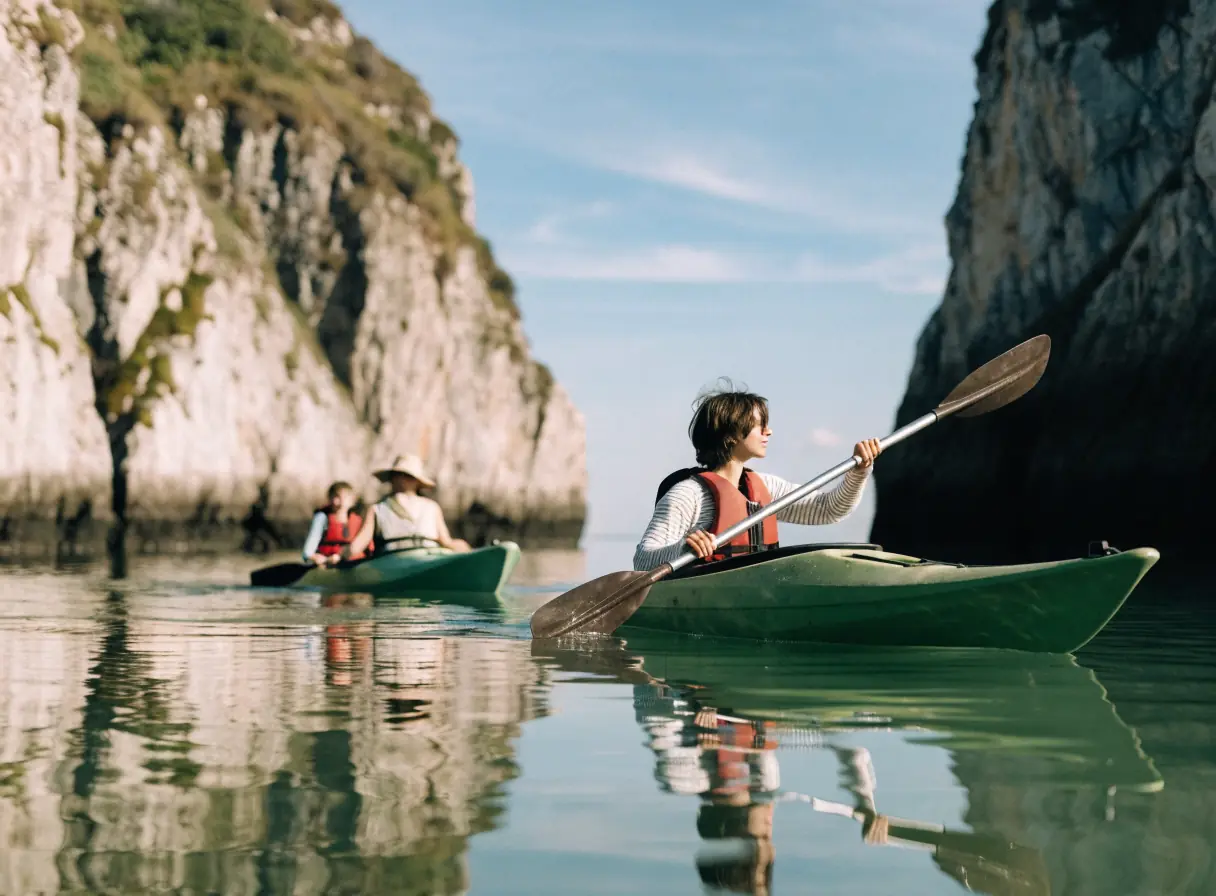
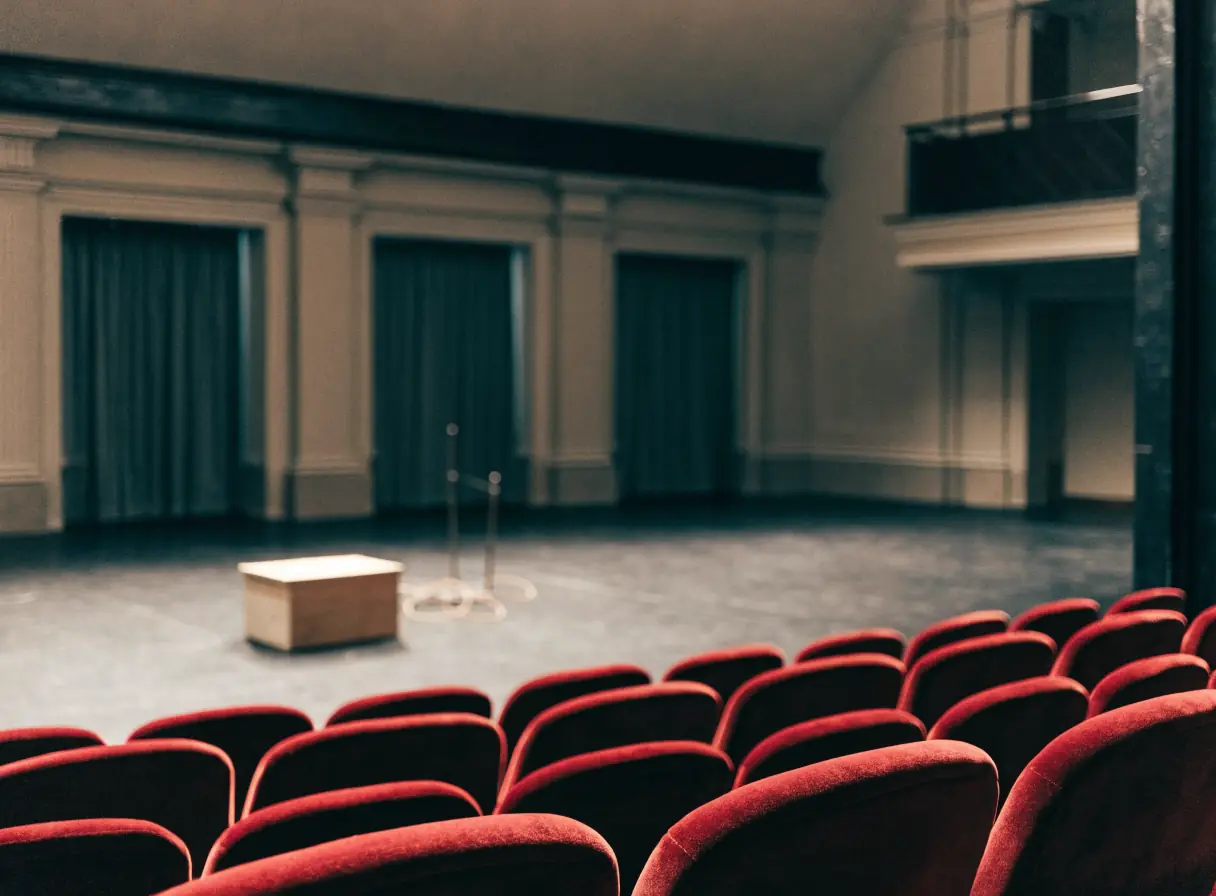
Recreation and entertainment sites showing experience and logistics.
Images and video can help people imagine an event, class, performance, or outing. They also need concrete details. A page should explain duration, place, schedule, age or participation rules when applicable, what is included, and what someone needs to bring. Those facts come from the organizer and should stay current.
We give each activity or event a useful page purpose. An evergreen venue page can explain the general experience. A dated event page needs a date, status, and booking route. A sold-out or canceled event needs an accurate state rather than a broken button or stale listing.
Make schedules easier to use.
The right schedule structure depends on how often offerings change. A single seasonal program may need a concise schedule page. A venue with frequent events may need categories, dates, filters, and a content owner who can manage them. We plan the information model before choosing a display pattern.
A person viewing a schedule on a phone should be able to understand the time, location, availability path, and next action without opening several tabs. If ticketing or registration happens with another provider, the website should label the handoff and link to the correct event or activity. Appointment booking systems may be relevant for classes or activities, depending on the workflow.
Write for discovery without flattening the offer.
Search content should help someone decide whether the experience fits. A page about a guided outdoor activity needs different answers from one about a music class or private event. Website copywriting can describe approved details in plain language, including what happens before arrival and how a participant can ask a question.
For a business with a real venue or service area, local SEO can connect accurate location information to the activities offered. A separate page earns its place when the visitor’s decision changes.
Keep the after-click experience coherent.
Confirmation, directions, changes, and contact options matter after registration. We map which system owns each message and what the public site should explain. Website care can include checks for schedules, event statuses, links, and mobile booking paths.
Turn interest into an informed booking.
One activity or event page that leaves people with questions is enough to start. From it we can plan the information and booking path that answers those questions clearly.