Have you done this on a vehicle like mine?
Organize your portfolio by vehicle type and service, with real photos from your shop.
Tag each build with the vehicle, the services, and the products used.
Next: understand the process.

Owners want to see work on vehicles like theirs before asking for a price. Vehicle customization website design features your builds, explains the process, and asks the right quote questions.
Services
Each service below answers a question an owner asks before trusting you with their vehicle. Start with the one closest to where quote requests stall.
For custom shops when owners want to browse builds by vehicle or service, such as wraps, tint, or lift kits. A gallery sorted that way puts work like theirs in front of them quickly.
Start here when your best builds are scattered across social accounts.
Explore Web DesignFor custom shops when a quote depends on the vehicle, the look, and the parts. The form asks for year, make, model, the goal, and reference photos, so your team can price it.
Start here when quote requests arrive as a single line and a photo.
Explore Custom Quote FormsFor shops when a finished reveal or a build walk-through shows your skill better than photos. Short videos can live on the site and your social channels.
Start here when customers ask to see the process before they commit.
Explore Video MarketingFor custom shops when new customers discover you through build posts. A steady plan for posting builds in progress and reveals keeps your shop in front of local owners.
Start here when posting stops whenever the shop gets busy.
Explore Social Media ManagementFor custom shops when owners search for wraps, tint, or lift kits nearby. A map profile with the services you offer and real build photos helps them choose your shop.
Start here when searches for your main service show other shops first.
Explore Local SEODisciplines
What each service family must get right in this field. Open one to see its services.
Customer journey
Take a pickup owner who wants a leveling kit, bigger wheels and darker tint. Scroll through your build gallery from a phone and note the moment they would doubt you can do it, or simply leave.
Organize your portfolio by vehicle type and service, with real photos from your shop.
Tag each build with the vehicle, the services, and the products used.
Next: understand the process.
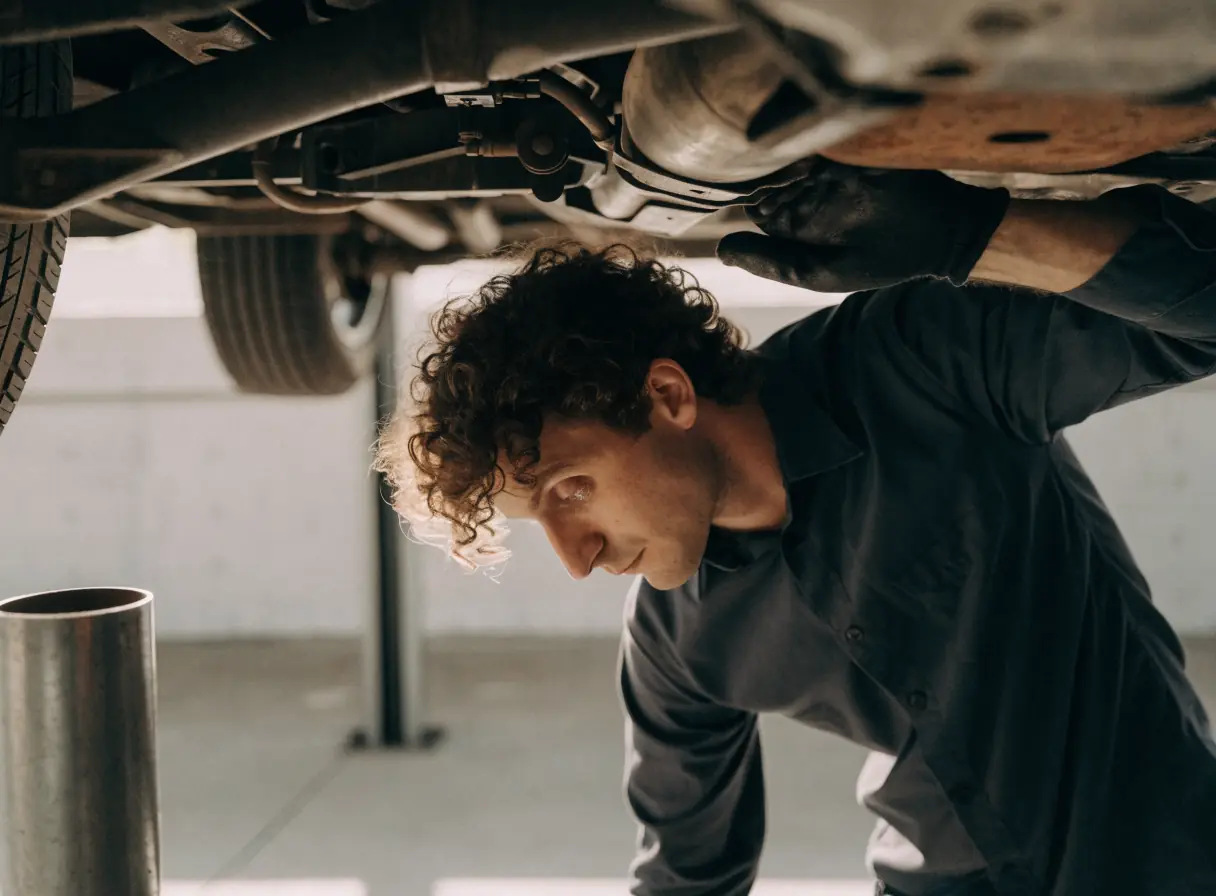
Explain consultation, design, ordering, installation, and pickup in plain steps.
Publish a process page and say how you share timing, since parts and schedules vary.
Next: check what is allowed.
Tint darkness, lift height, lighting, and exhaust rules vary by state. Say what your shop will and will not install.
State your install policy and suggest that owners confirm their local rules, without giving legal advice.
Next: request a quote.
Ask for the vehicle details and goals, and explain how pricing and any deposit work.
Send a confirmation that says who will follow up and what they may ask next.
Next: your team reviews the request and schedules a consultation.
Information
Custom work is personal and often expensive. Owners tend to choose the shop that shows it understands their vehicle and their taste.
Owners judge a custom shop by its past work. A portfolio sorted by vehicle and service lets them find proof that matches their plans.
Custom work rarely has one price. Explain what drives the cost, such as materials, coverage, and labor, without promising a number.
Parts orders and shop schedules affect when a build is done. Say how you set and share timing.
Some changes are regulated, such as window tint and emissions parts. State your shop policy and leave legal questions to the owner and local rules.
Local search
Owners want to see the shop and meet the team before handing over a vehicle. Make your location and showroom easy to find and visit.
Post photos of the install bays, the showroom, and the people doing the work.
Name each service you offer, such as wraps, tint, and lift kits, with hours and consultation details.
If you sponsor car meets, clubs, or off-road events, feature them and share builds from those events.
Process
A clear portfolio earns attention. A focused quote request and a plain process page turn that attention into booked work.
Sort builds by vehicle and service with real photos and short notes.
Ask for vehicle details, goals, budget range, and reference photos, and route each request to the right person.
Capture before, during, and after photos of each job for the site and social posts.
Decide what you will and will not install and how you explain local rules to customers.
Post builds in progress and reveals on a regular plan that links back to the portfolio.
Readiness
Loose photos and notes work. Show us your best builds and how a quote becomes an install date, and we map the path from a gallery photo to a booked bay. Nothing is sent from this checklist.
Select the inputs you have ready.
More specialties
Other specialty pages under Automotive.
Explain coverage in plain words, show who you insure, and give drivers a quote request that asks only for what the first step needs.

Show what fits each vehicle, what is on the shelf, and how to buy it, for do-it-yourself drivers and repair shops alike.

Show the repairs you handle, how estimates work, and how to book a drop-off, so worried drivers choose your bay.

Keep inventory accurate, make trade-in and test drive requests easy, and send financing through secure lender tools.

Show real availability, explain deposits, age rules, and mileage in plain words, and let renters book from their phone.

Show wash packages, memberships, and detailing services clearly, and make booking or joining easy from a phone.

Explain each course step, show lesson availability, and make enrollment easy for teens, parents, and adult learners.

Show the bikes and RVs you service, your seasonal work, and how drop-off or mobile service works before the rush.

Put the phone number first, show where you tow and what you handle, and make every page work on a weak signal.

Questions
Yes, for jobs with a stable price, like window tint on a standard sedan. For lifts, wraps and full builds, list what drives the cost, such as parts, labor hours and finish, and let the quote form gather the vehicle details.
Often, yes, through the platform's embed or feed options. We review what each platform allows, and we recommend keeping your best builds as real portfolio pages you control.
Yes, for products you actually install. If a manufacturer has rules for using its name, logo, or certified installer status, follow them and list only credentials your shop holds.
State your own install policy and point owners to their local rules. The site should not tell customers what is legal where they drive.