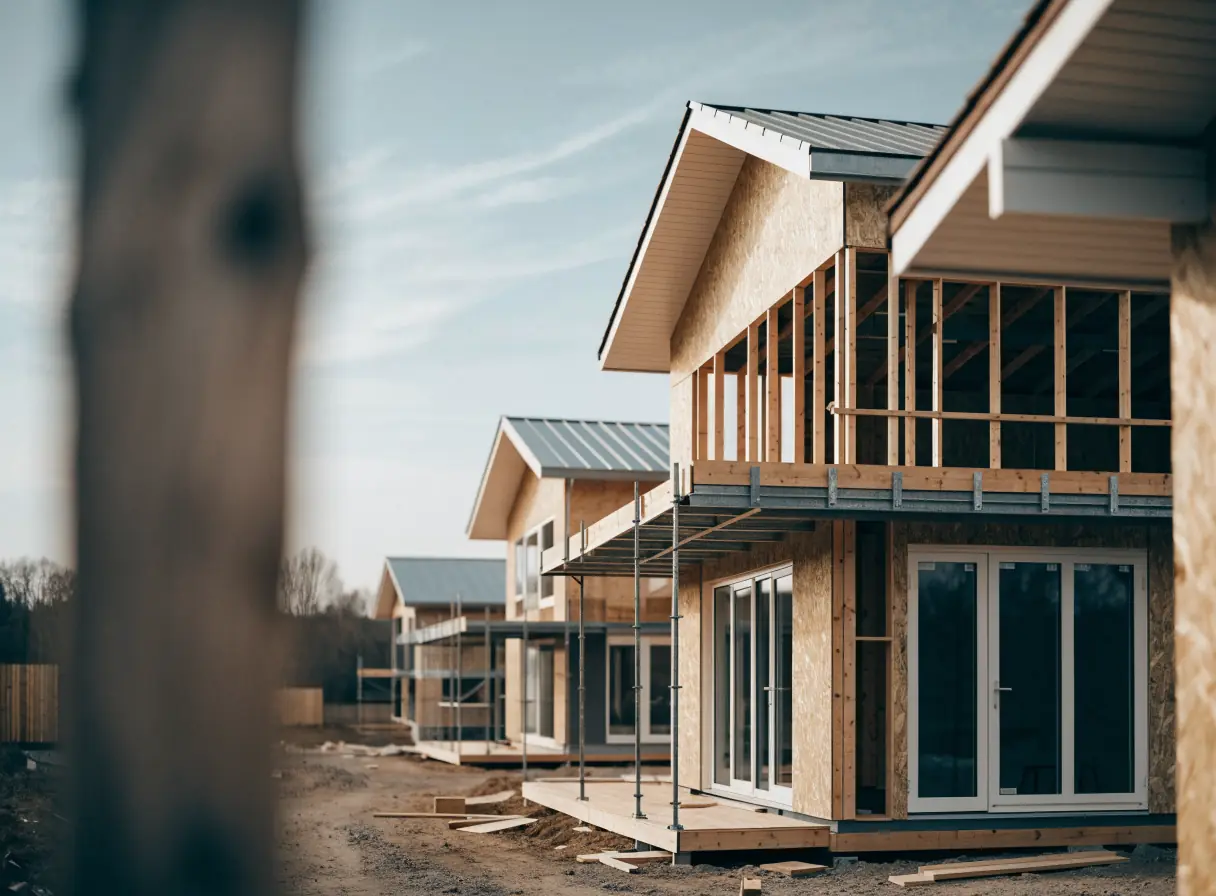
What is being built here?
Site signs and search results should lead to one project page with the name, location, and type of homes or units.
Put the project name and a short, memorable web address on every site sign.
Next: see the plans.

Buyers, renters, and neighbors follow a project long before it opens. Real estate development website design gives each project a clear page, honest renderings, and updates that keep interest warm.
Services
Each service below answers a question buyers, renters, or neighbors ask while a project takes shape. Start with the project that opens next.
For developers when each project needs its own name and look. A project identity that sits well beside your company brand makes signs, pages, and brochures feel related.
Start here when a new project has a working name and no look yet.
Explore Brand IdentityFor projects when you are building an interest list before sales or leasing open. A focused page with renderings, location, and one sign-up form gives every channel a single destination.
Start here when interest arrives by email with no list to hold it.
Explore Landing Page DesignFor developers when a project takes many months to open. Regular updates to the interest list keep people engaged until sales or leasing begin.
Start here when your interest list has not heard from you in months.
Explore Email MarketingFor projects when construction progress and the neighborhood tell the story better than words. Short progress videos and area tours give buyers something real to watch.
Start here when renderings are the only visuals you have.
Explore Video MarketingFor job sites when the fence line is your most visible marketing space. Construction signage with the project name and web address points passersby to the interest list.
Start here when your site fence shows only the contractor's name.
Explore Billboards & SignageDisciplines
What each service family must get right in this field. Open one to see its services.
Customer journey
Picture someone who drives past your site every day. Trace how they find the project, join the list, and reach your sales team.
Site signs and search results should lead to one project page with the name, location, and type of homes or units.
Put the project name and a short, memorable web address on every site sign.
Next: see the plans.
Show renderings, floor plans, and features with a plain note that plans may change.
Label renderings as illustrations, and keep plans and features current as the design changes.
Next: join the interest list.
A short sign-up form with clear consent tells people what they will receive and how often.
Ask only for contact details and the home or unit types they want, and confirm each sign-up.
Next: visit the sales center.
Show the sales center or model location and hours, or a way to book a visit once it opens.
Add a booking link for appointments, and keep hours current on the page and the map profile.
Next: your sales team meets the buyer.
Information
Development timelines are long, and plans change. The gap between the first announcement and the first sale is where interest fades.
People who sign up early can wait a long time. Regular, honest updates on progress keep them on the list.
Renderings sell a vision. Clear labels and current plans prevent disappointment when the finished project differs.
Neighbors want to know about construction, traffic, and timing. A plain update page answers common questions in one place.
Buyers, partners, and cities look at what you have built before. Completed projects with real photos and verified facts build confidence.
Local search
Every project is tied to one place. Buyers and renters want to know what living there will be like.
Name the nearby parks, transit, and shops, and avoid claims about travel times or future values you cannot support.
Give the sales center or leasing office its own map profile with hours, photos, and the project web address.
Use the same project name and web address on signs, brochures, and ads, so people land in one place.
Process
A project identity and a focused page give every channel one destination. The interest list hears from you on a steady schedule. Your team keeps plans and availability accurate.
Choose a name, logo, and visual style that fit the project and sit beside your company brand.
Build one page with renderings, location, plans, and a sign-up form with clear consent.
Send progress photos and milestones to the interest list on a regular schedule.
Update floor plans, features, and availability when they change, and keep renderings labeled.
Design the site signage and plan short videos of progress and the area.
Readiness
Draft renderings, a site plan, and a rough schedule are enough. With them we plan how the project page grows from groundbreaking news to an interest list for buyers, renters, and neighbors. What you check here is kept only on your device.
Select the inputs you have ready.
More specialties
Other specialty pages under Real Estate.
Explain the appraisals you perform, the areas and property types you cover, and how private clients and lenders can order.

Show what your inspections cover, the add-on tests you offer, and a booking path that works for buyers and their agents.

Explain loan options in plain words, introduce your loan officers, and route applicants to your secure application system.

Win owner trust with clear service pages, and give residents direct routes to listings, applications, payments, and repairs.

Route buyer and seller leads to the right agent, keep every agent on brand, and show recruits why your brokerage is worth joining.

Give sellers and brokers a simple way to submit properties, and present your approach to investors in wording your counsel has reviewed.

Explain your real estate practice areas in plain words and give clients a careful, confidential route to a first consultation.

Show your listing media work, explain your packages, and let agents book shoots around their listing dates.

Make title orders easy for agents and lenders, explain closing to buyers and sellers, and warn clients plainly about wire fraud.

Questions
It depends on the project's size and how long it will be marketed. A project section on your main site often works, with its own name and look. We decide together based on the plan.
That depends on your approvals and the rules where you build, so check with your advisers first. An interest list that makes no promises about price or timing is a common first step.
Label every rendering as an illustration and keep a short note that plans may change. Replace renderings with real photos as construction allows.
A page about completed projects and your approach can serve partners and lenders. Anything about raising capital or an offering needs your securities counsel before it goes on the site.