Do you make what I have in mind?
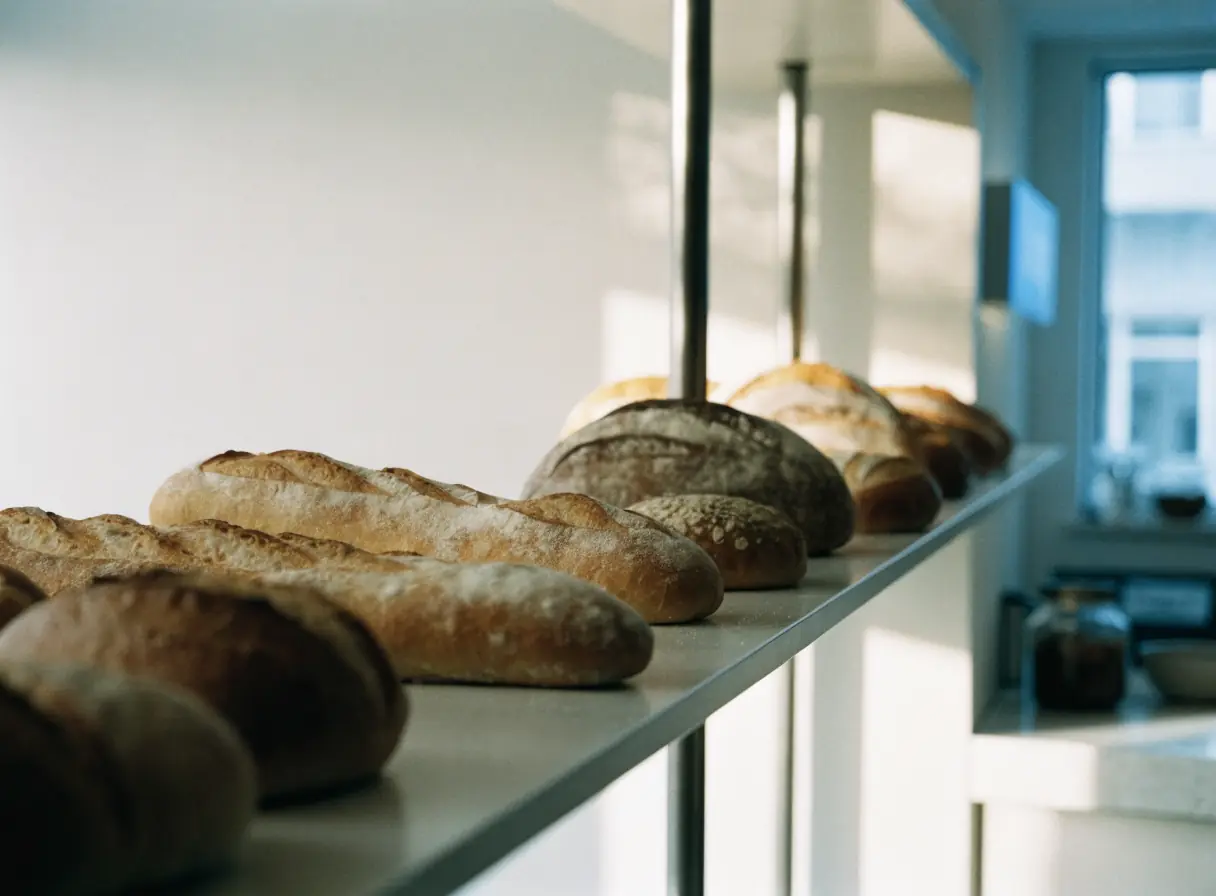
Real photos of your cakes, pastries, and breads show your style better than any description.
Group your work by occasion and type, and mark which items are daily and which need an order.
Next: check the timing.
Our website design for bakeries shows what you bake, how far ahead to order, and when to pick up, and takes complete cake or preorder requests without a phone call.
Services
Pick the services that match where orders stall today. Each one fixes a step between the first idea and the pickup.
For bakeries when custom cake requests arrive by phone, text, and direct message with details missing. A guided form asks for the date, servings, flavors, and design notes up front.
Start here when you spend more time chasing order details than baking.
Explore Custom Quote FormsFor bakeries when people search nearby and find old hours or no photos of your work. A complete map profile shows your hours, location, and real bakes.
Start here when customers arrive to find the doors already closed.
Explore Local SEOFor bakeries when the daily case changes faster than the website can. Regular posts show today's bakes, seasonal items, and preorder dates.
Start here when your best items sell out before most people hear about them.
Explore Social Media ManagementFor bakeries when large or custom orders need a deposit before you start. A payment processor you approve lets customers pay the deposit when they confirm.
Start here when unpaid orders leave you with cakes nobody collects.
Explore Payment Gateway IntegrationFor bakeries when holiday preorders open and close on set dates. An email list tells regulars when ordering opens and when it ends.
Start here when seasonal orders depend on people remembering to check.
Explore Email MarketingDisciplines
What each service family must get right in this field. Open one to see its services.
Customer journey
Custom orders start days or weeks ahead, usually on a phone. Walk through the four moments where a customer decides to order from you or call someone else.
Real photos of your cakes, pastries, and breads show your style better than any description.
Group your work by occasion and type, and mark which items are daily and which need an order.
Next: check the timing.

Lead times, busy seasons, and cutoff dates decide whether the order is possible at all.
Put lead times on the order page itself, not only in a policy page.
Next: send the details.
A guided request collects the date, servings, flavors, dietary notes, and design ideas in one place.
Mark which details are required and say when your team will reply.
Next: confirm the order.
A request is not a confirmed order until your team accepts it and any deposit is paid.
Send a confirmation with the pickup date, time window, and location.
Next: the order joins your baking schedule.
Information
Customers plan cakes ahead but still decide fast. Missing lead times, old photos, or a buried order form send them to the next bakery.
Requests come in by phone, text, email, and direct message. Each one needs a follow-up before you can quote, and some go unanswered until it is too late.
Popular items sell out while the website still shows them. Post the daily case where people check, and say when to come early.
Seasonal orders open and close on fixed dates. One page with the dates, the items, and the form keeps the rush in one place.
People ask about nuts, gluten, dairy, and eggs. Publish only what your kitchen can confirm for every batch, and invite questions before ordering.
Local search
Most bakery customers live or work close by. Keep the local details the same everywhere they look.
Keep your map profile complete, with current hours, photos of real bakes, and categories that match what you sell.
Explain where to park, where to collect orders, and what happens if someone arrives before the order is ready.
If you supply cafes, offices, or events, give wholesale and large orders their own page and contact route.
Process
The order path should work on a phone and ask for each detail once. Your daily case, hours, and seasonal dates should match on the site, the map, and social posts.
Collect date, servings, flavors, and design notes in one form, and send it to the person who quotes.
Decide how far ahead you need orders, when deposits apply, and when you stop taking requests.
Update holiday hours and closures on the site and the map profile at the same time.
Share real photos of what is fresh and what is coming, and link each post to the order page.
Give each holiday its own page with dates, items, and the form, and take it down when orders close.
Readiness
Start with last month's custom cake requests and your current lead times, even if they live in a notebook. They show us where an order stalls between the first message and the deposit. Your answers here never leave this page.
Select the inputs you have ready.
Show the taps, the kitchen hours, and what is on tonight, and make group bookings easy to request.

Help people on the move find you open, read the menu, and order ahead or settle in for a while.

Show the events you cater, the menus you offer, and the areas you serve, then collect inquiries with the details you need.

Make delivery areas, fees, and ordering clear for customers, and give restaurants and drivers a simple way to join.

Give buyers accurate product specs and a clear wholesale path, and show shoppers where your products are sold.

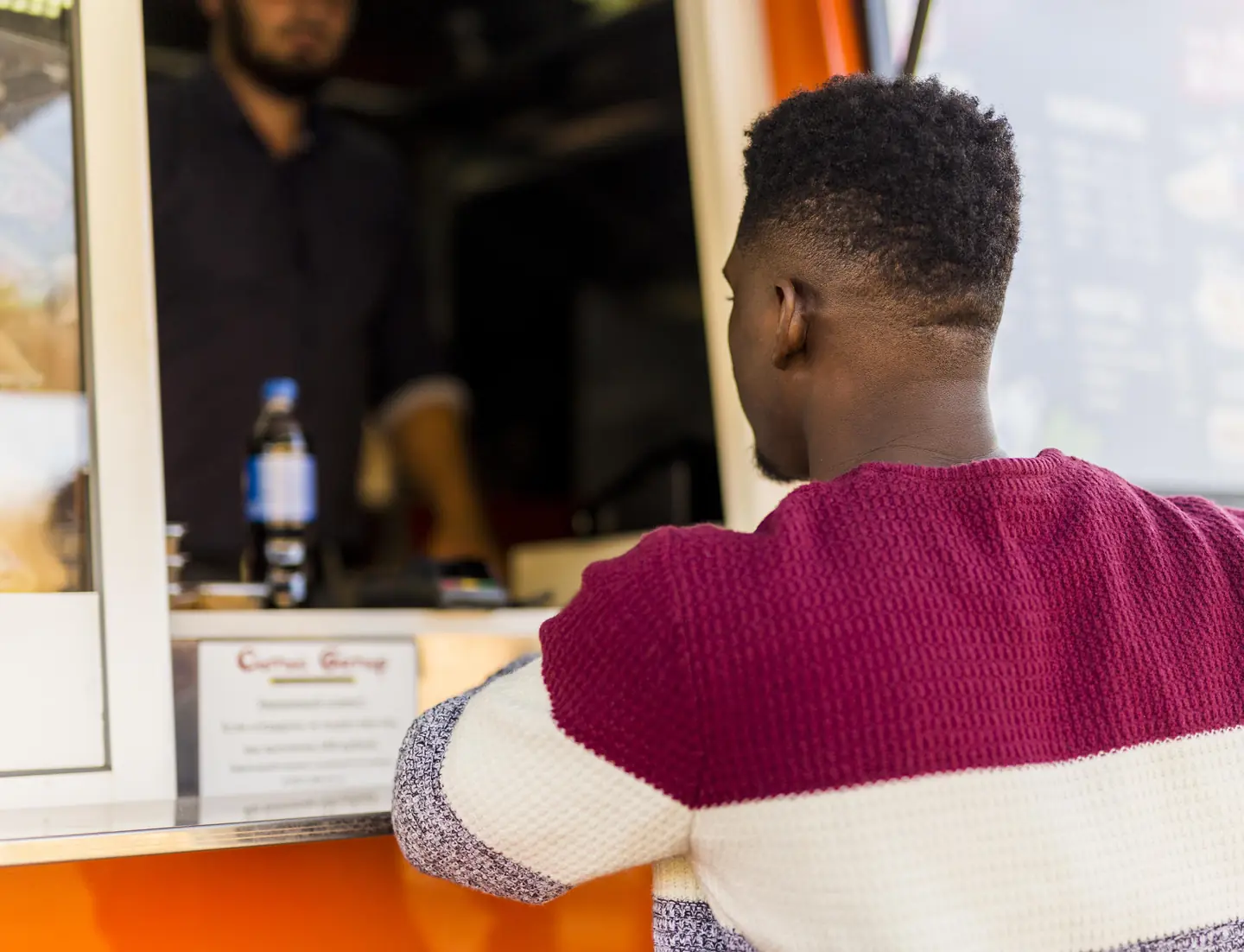
Show where the truck is today, what is on the menu, and how to book it for a private event.

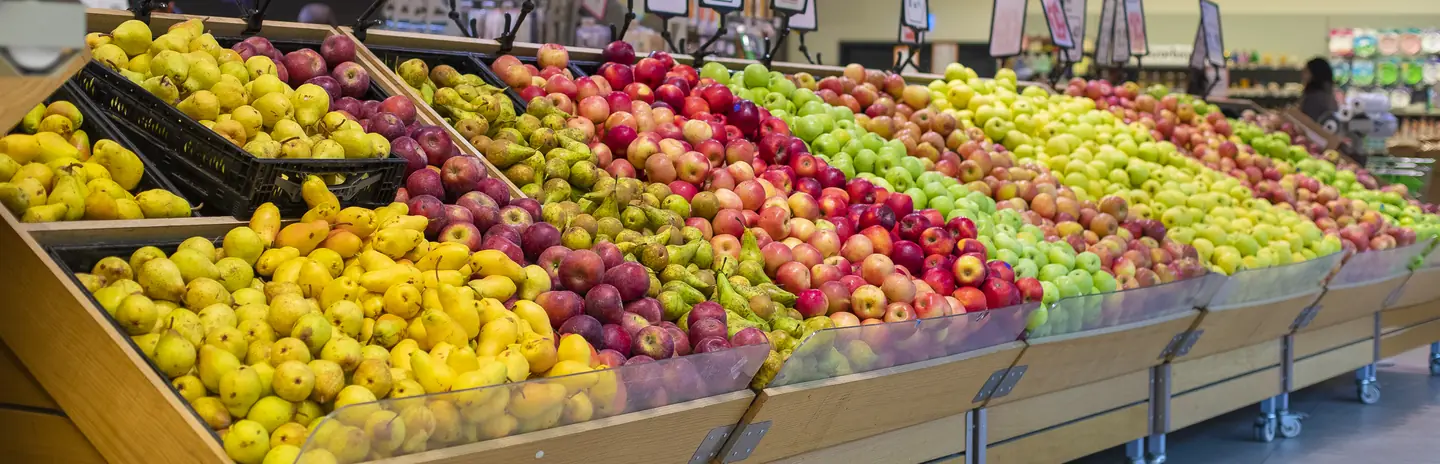
Put the weekly specials, holiday hours, and online ordering where shoppers look, and show what sets your store apart.

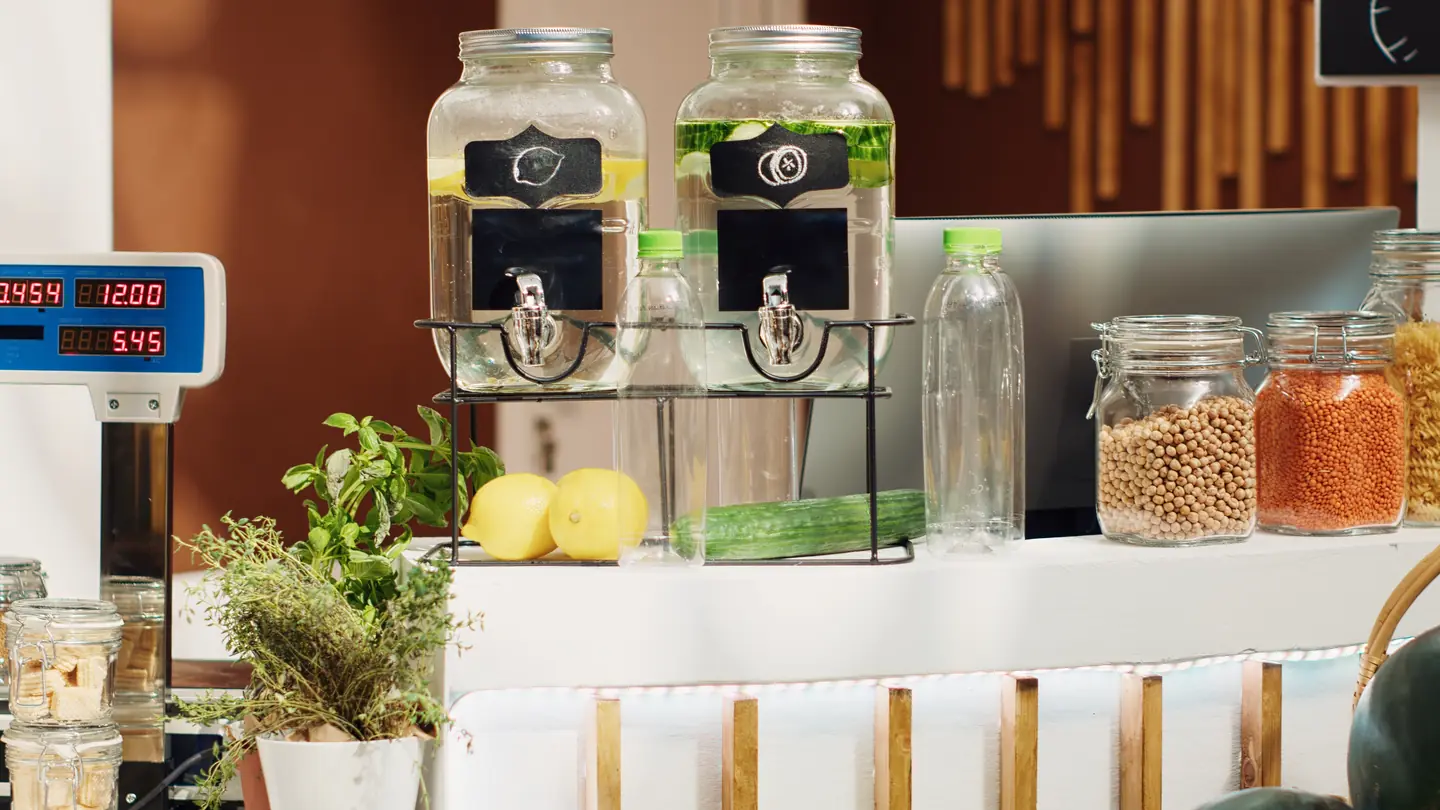
Help shoppers with specific diets see what you carry, ask about products, and request special orders.

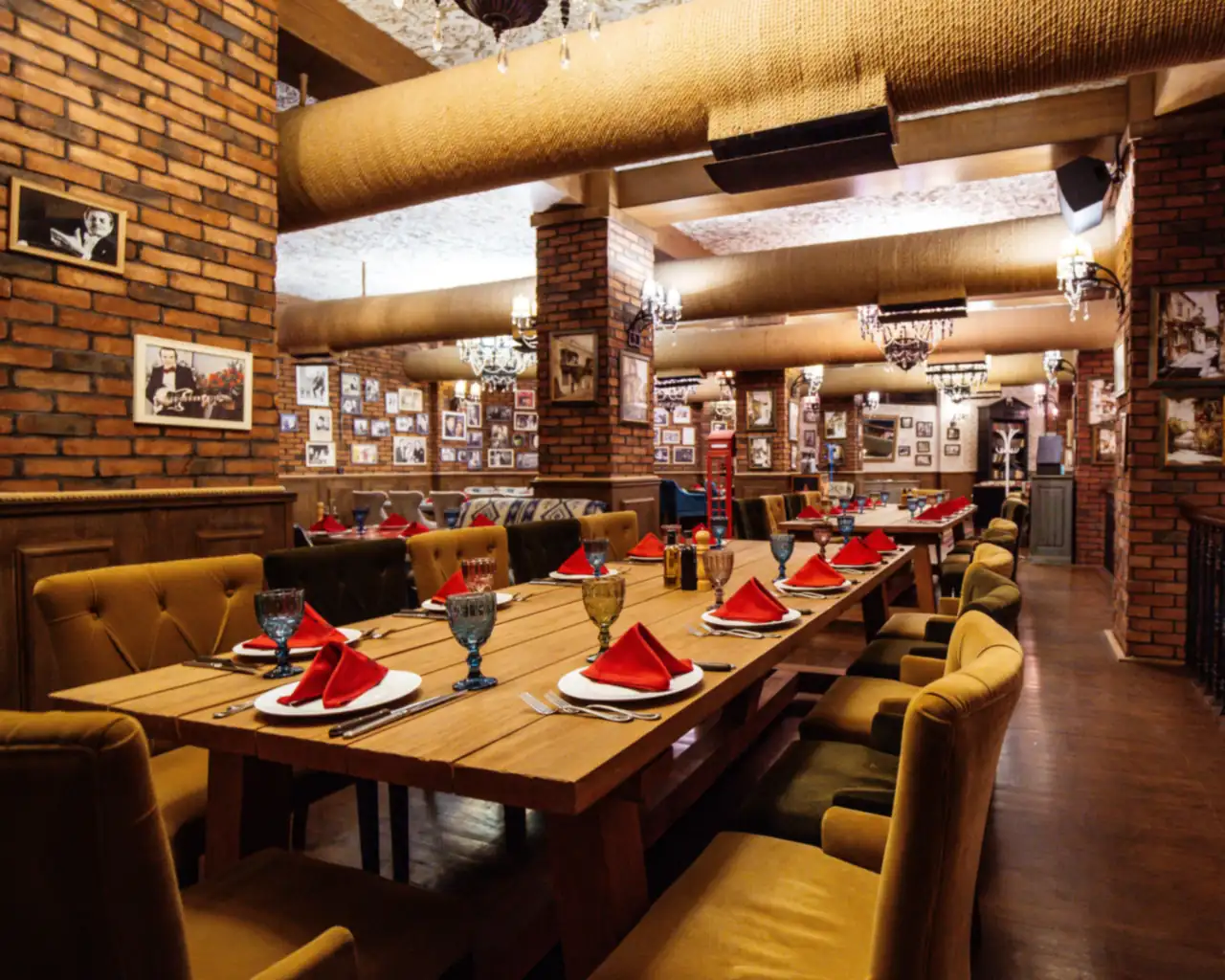
Give diners a readable menu, real photos, and a direct way to reserve, order takeout, or plan a private dinner.

Questions
It is possible once you choose a payment processor and set your deposit rules. We review the processor, its fees, and how it fits your order process before building anything. Your team still confirms each order before it goes on the schedule.
State your lead times on the order form itself. Many form tools can block dates inside your lead time, and we confirm what yours supports. Late requests can still go to a person who decides.
You can, if your kitchen can confirm them for every batch. Shared equipment matters, so the wording needs your own review. When in doubt, invite customers to ask before they order.
It depends on how many custom orders you take and how much time the phone takes. One option is an online request form with payment at pickup, with deposits added later. We help you choose the first step that fits your kitchen.