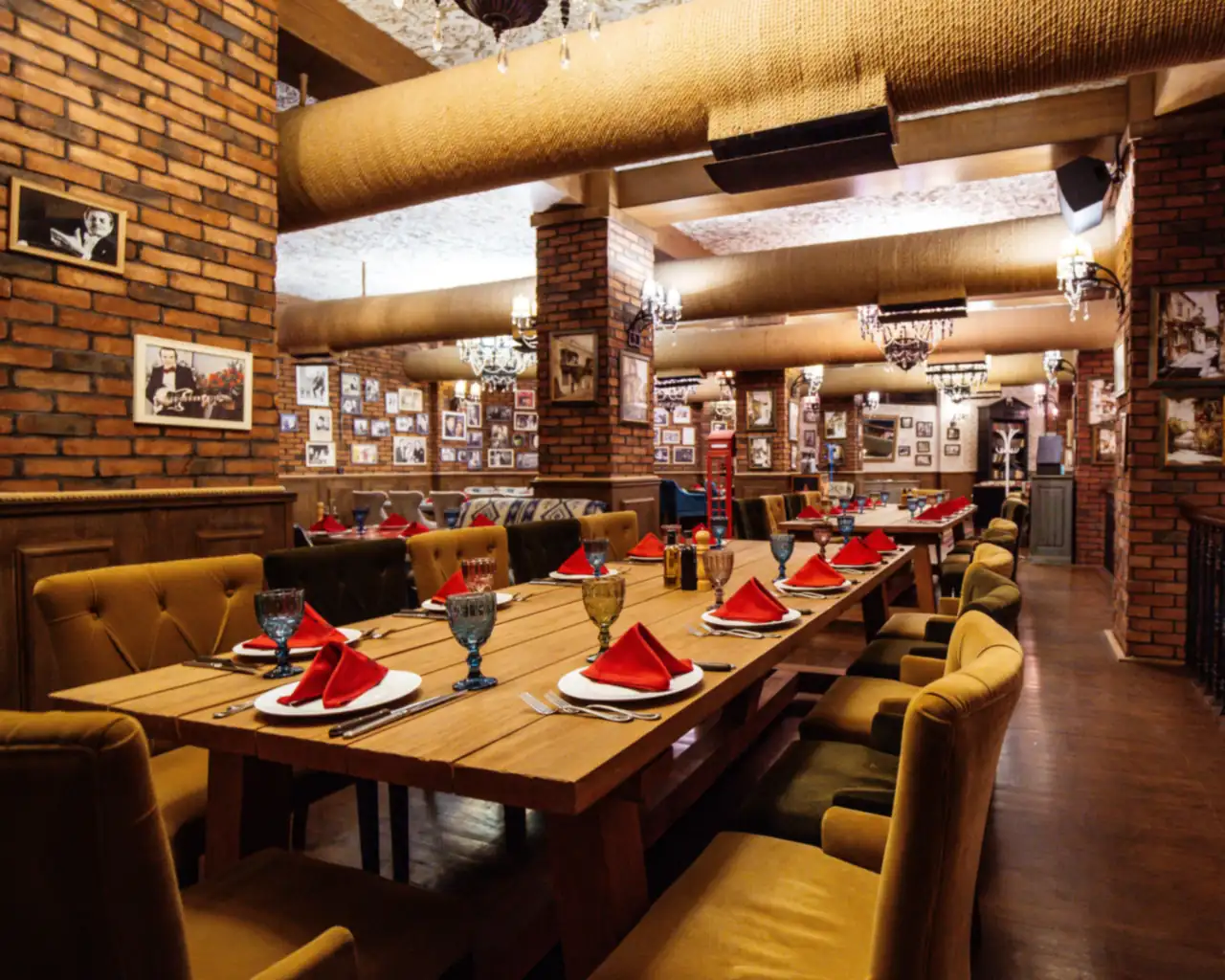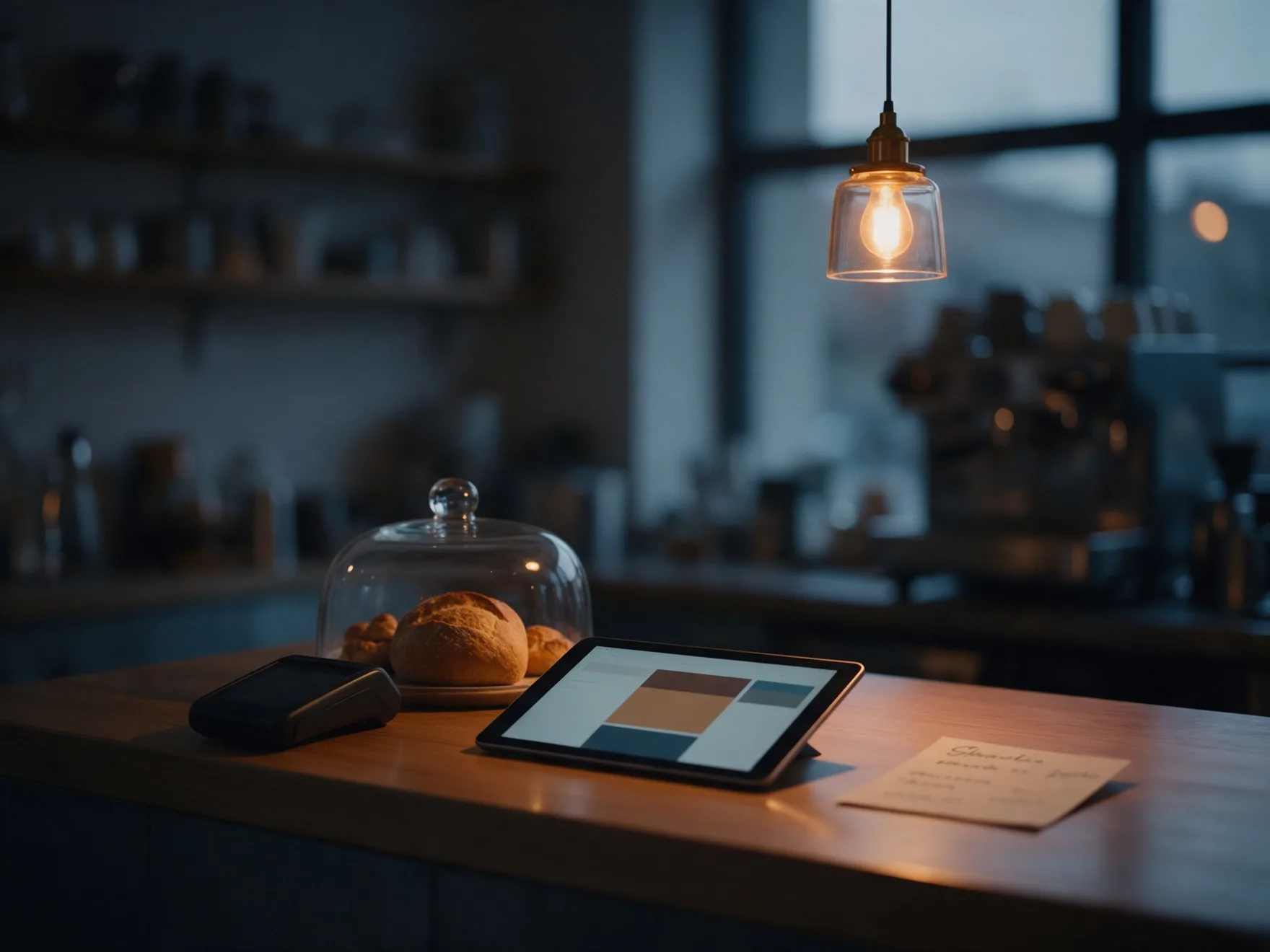
Tablet, card reader and pastries on a café counter

Food services websites for menus, hours, and orders

Restaurants, bakeries, cafes, caterers, and food trucks get food services website design that shows what is available, when it is open, and how to order or reserve.

Someone looking up a restaurant, bakery, café, caterer, or food truck often needs an answer now, on a phone.

That includes where it is and whether they can ask about an event. The site should also be easy for the business to keep current. Scayver Graphix connects the page structure, design, copy, search path, and ordering or inquiry handoff around the action your customers actually need to take.

Food services website design puts practical details before the pitch.

Menus, offerings, hours, location, ordering method, and contact details carry much of the decision. A beautiful home page cannot make up for an outdated menu or a reservation link that sends visitors to the wrong location. We identify the facts that change often and give them an obvious home in the site structure.

Different businesses need different paths. A café visitor may check today’s hours and directions. A catering buyer needs event size, service style, lead time, and an inquiry route. A food truck customer may need current schedule and location.

Make ordering and reservations understandable.

Customers should know when they remain on your website and when they move to another service. The link label should name the action, and the handoff should land in the right place. If online ordering, reservations, or delivery use a third party, the site still needs to explain the path and offer a way back if something fails.

For catering or group orders, an inquiry form can collect event date, estimated size, and the kind of service requested. It should not ask for unnecessary details before the team has spoken with the customer. If the business uses a booking platform, we look at that platform and the staff workflow before recommending appointment booking systems.

Connect local discovery to the right place.

Searchers often arrive on a menu, location, or offering page rather than the home page. Each landing page should show what is offered and how to act without requiring another search. Local SEO supports real locations and accurate business details. For multiple locations, each location needs its own current hours, address, ordering link, and meaningful local information.

Copy should describe actual offerings. Ingredients, dietary attributes, availability, prices, and reviews come from the business, which owns those facts. Website copywriting can make them easier to scan and compare.

Plan for the next menu change.

Food information can change daily or seasonally. A maintainable site gives staff a clear update path and helps prevent old PDFs, images, or duplicated text from contradicting current offerings. Website care can include checks for the links and actions customers rely on.

Trace the path from menu to order.

Follow it the way a customer would, from the menu to the location to the order or reservation link. Wherever that path turns unclear is where clearer content or a more reliable handoff belongs.
Services for Food Services.

Each service links to its own page. The drawing shows the same services around the business.

Illustration of Food Services: the business, the customer path in four steps and five linked services.

Specialties in Food Services.

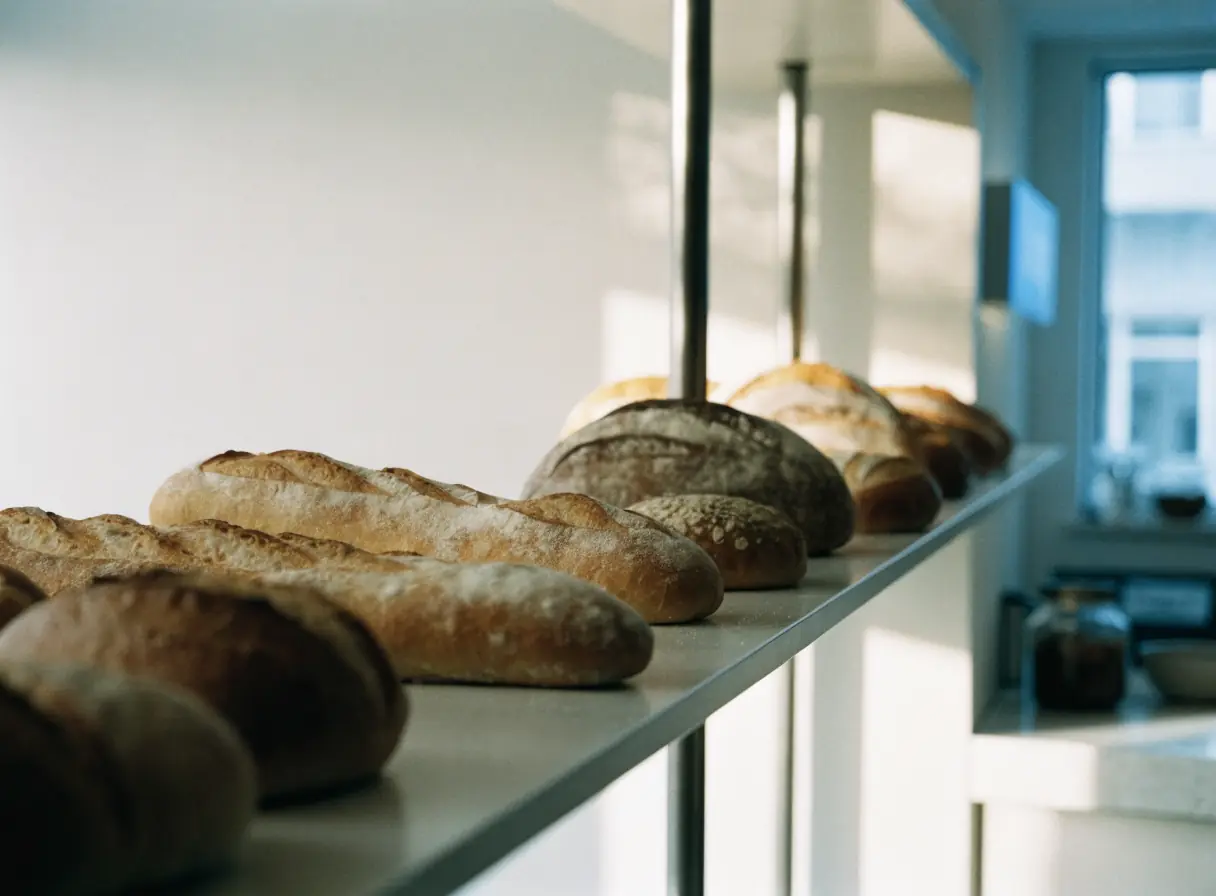
  1. Bakeries

    Show the daily bakes, take custom orders with every detail, and make pickup times easy to find.

    Several loaves of bread are neatly lined up on a wooden surface.
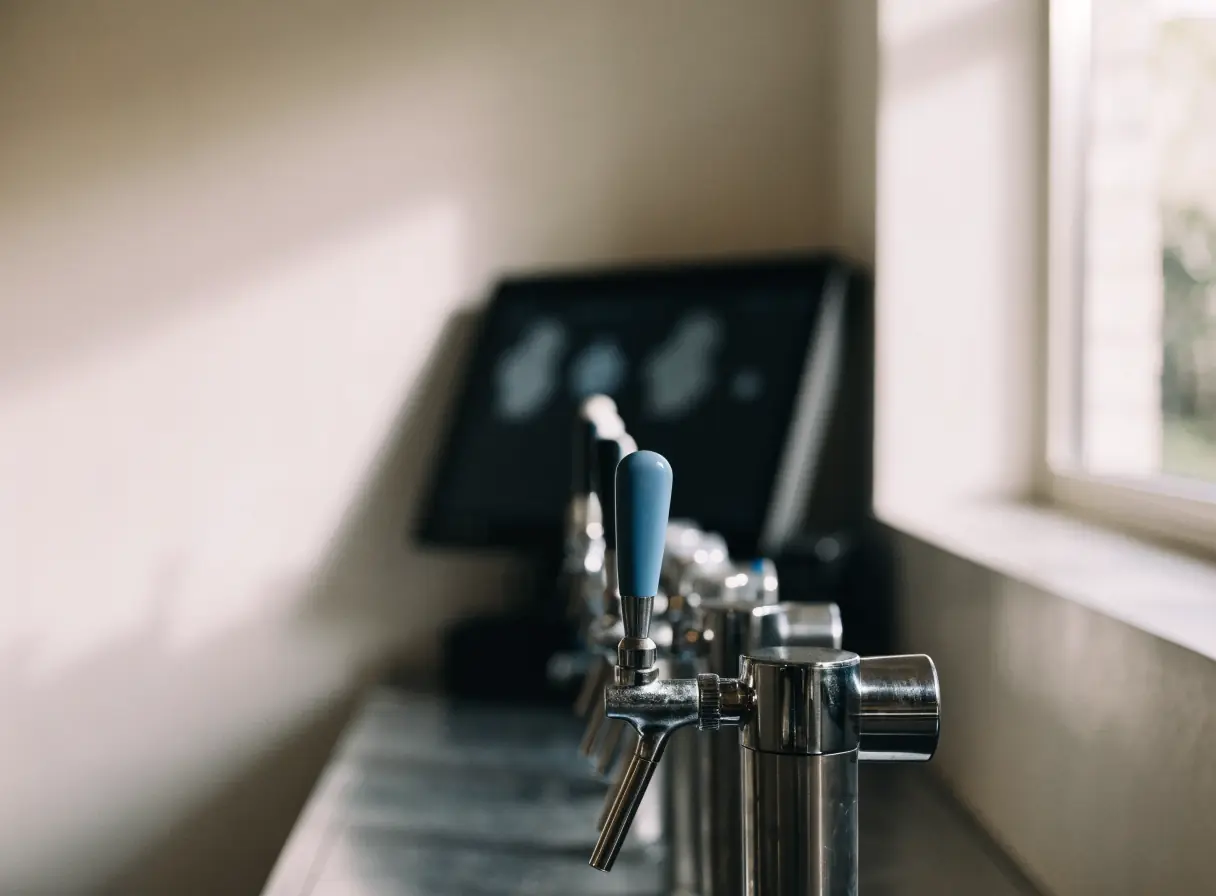
  2. Bars & Pubs

    Show the taps, the kitchen hours, and what is on tonight, and make group bookings easy to request.

    Row of metal drink taps with blue handles lined up on a shiny countertop.
  3. Cafes & Coffee Shops

    Help people on the move find you open, read the menu, and order ahead or settle in for a while.

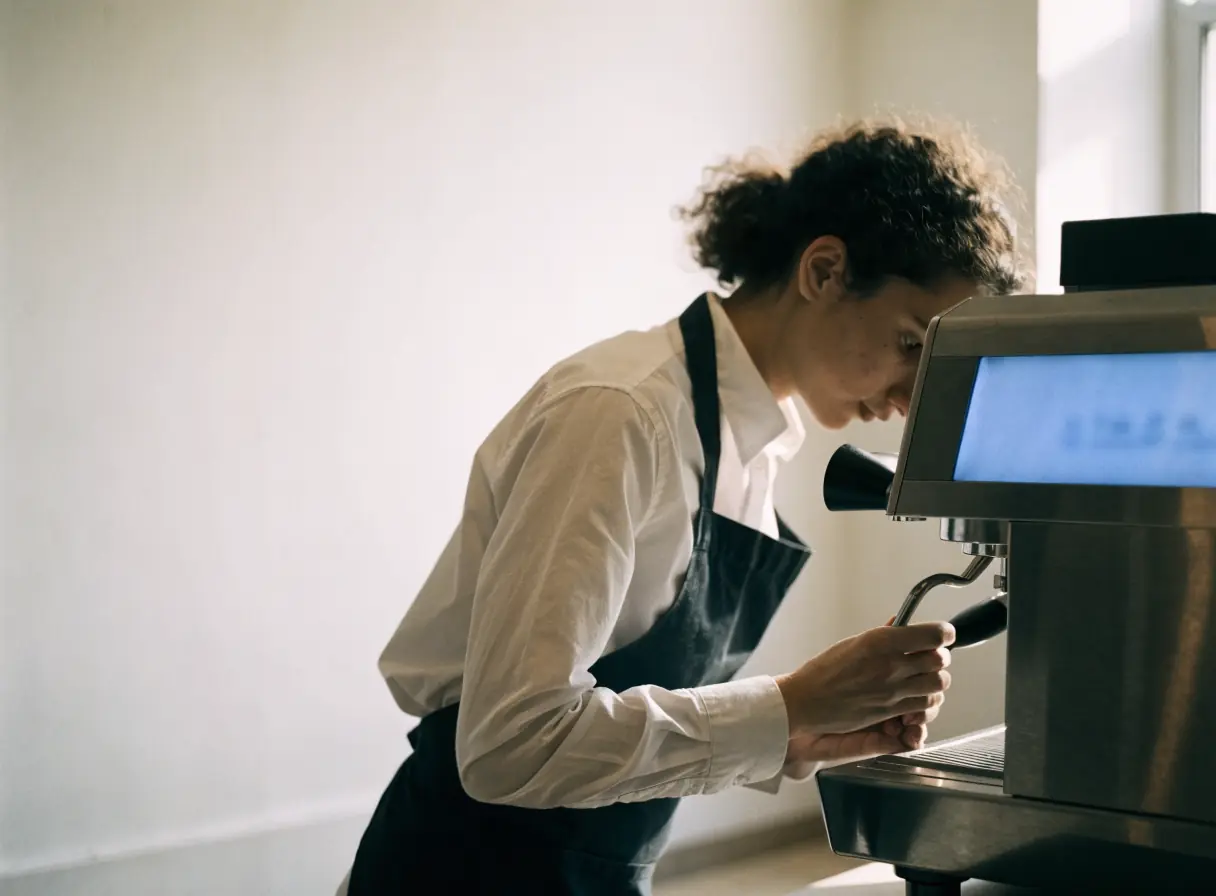
    Barista in apron operates espresso machine beside a large window in a modern coffee shop.
  4. Catering Services

    Show the events you cater, the menus you offer, and the areas you serve, then collect inquiries with the details you need.

    Man in a white shirt holding a dessert and looking at it closely indoors.
  5. Food Delivery Services

    Make delivery areas, fees, and ordering clear for customers, and give restaurants and drivers a simple way to join.

    Person rides a bicycle carrying a large black delivery bag on their back.
  6. Food Manufacturing

    Give buyers accurate product specs and a clear wholesale path, and show shoppers where your products are sold.

    Man wearing protective gear opens a large stainless steel tank in an industrial facility.
  7. Food Trucks

    Show where the truck is today, what is on the menu, and how to book it for a private event.

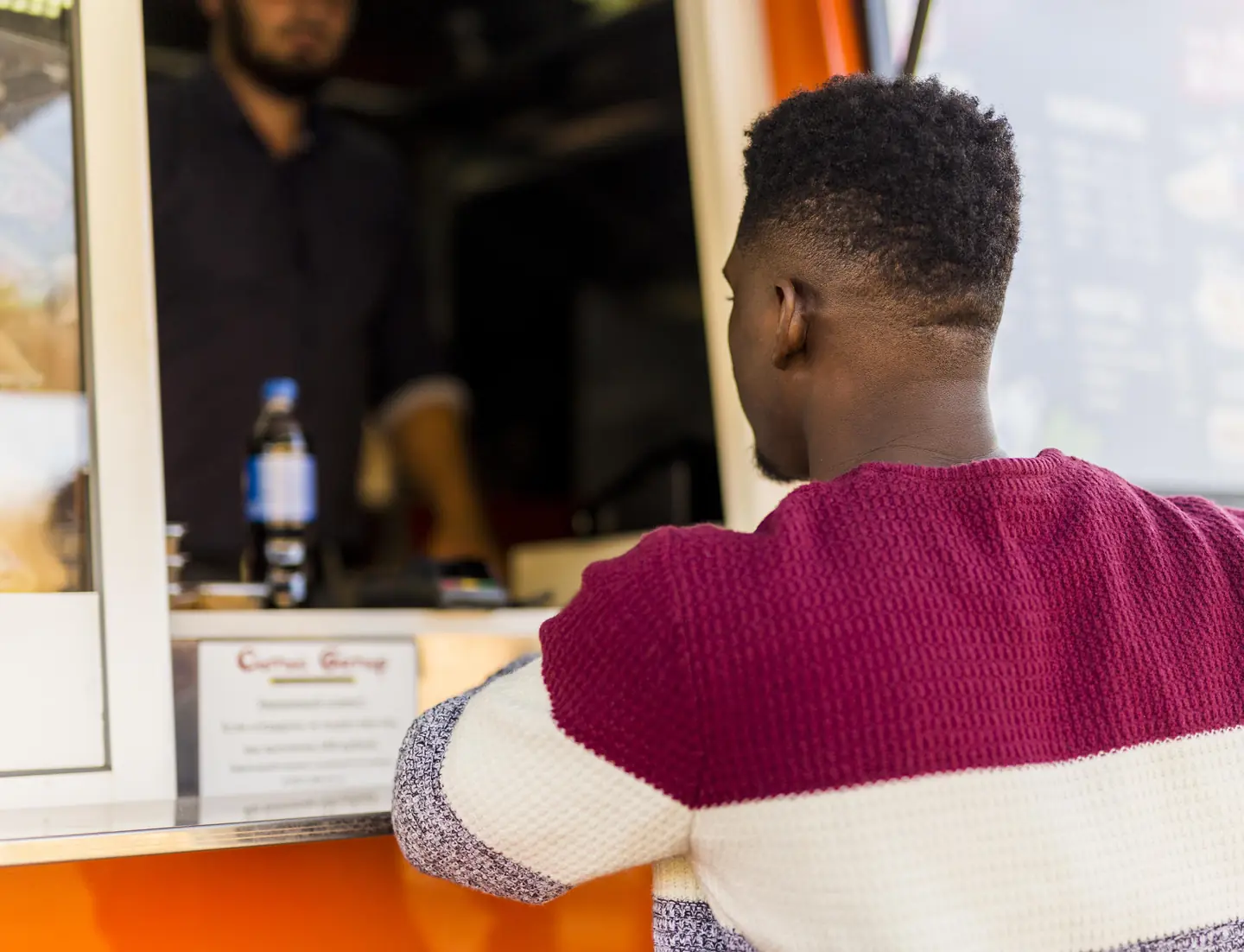
    A man in a striped sweater stands at an outdoor food truck, waiting to order food.
  8. Grocery Stores

    Put the weekly specials, holiday hours, and online ordering where shoppers look, and show what sets your store apart.

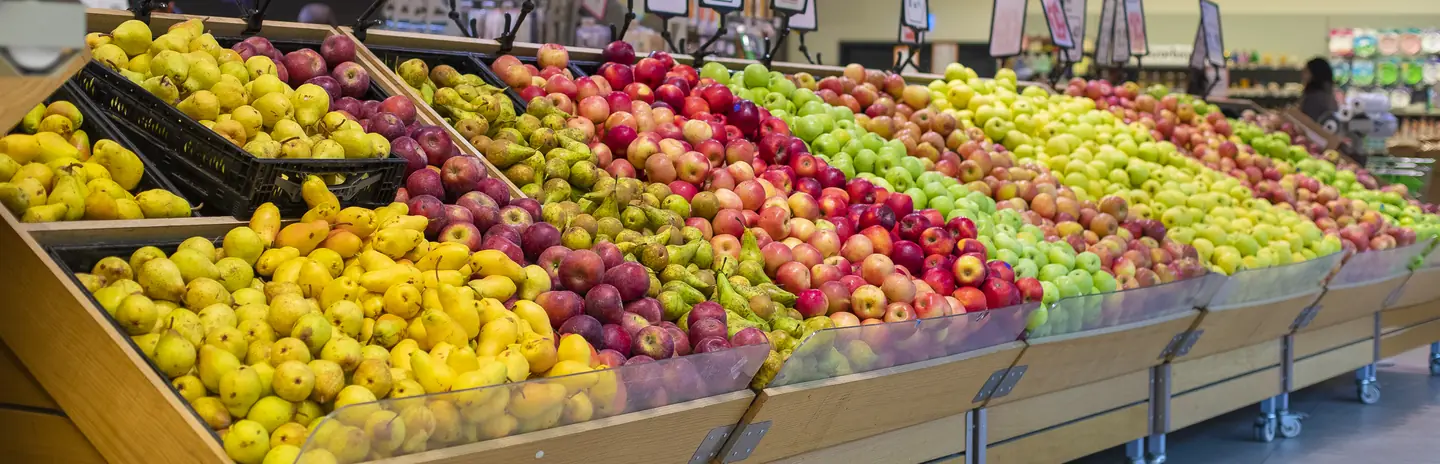
    Red and green apples with pears are neatly displayed in rows on grocery store shelves.
  9. Health Food Stores

    Help shoppers with specific diets see what you carry, ask about products, and request special orders.

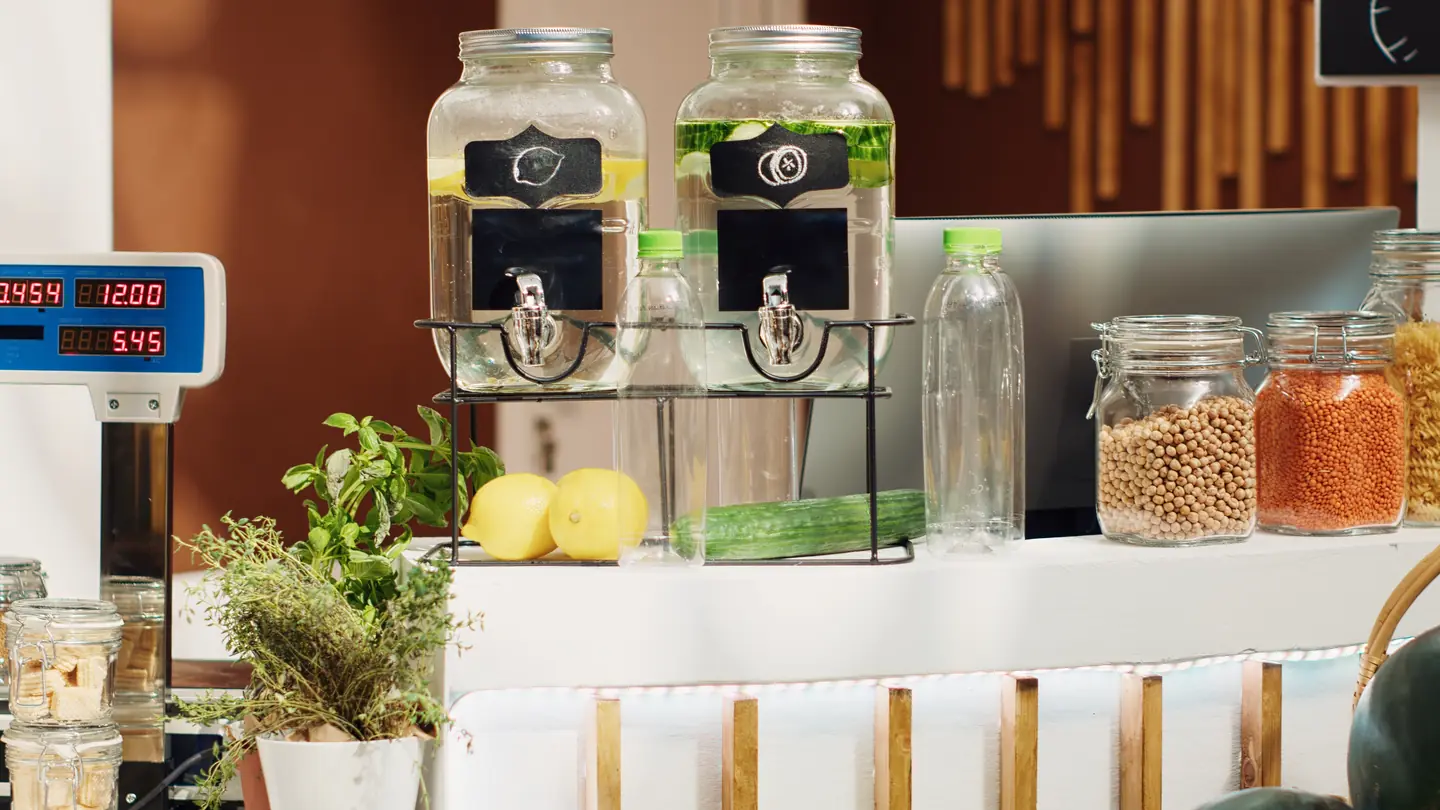
    Glass drink dispensers filled with beverages are arranged on a counter.
  10. Restaurants

    Give diners a readable menu, real photos, and a direct way to reserve, order takeout, or plan a private dinner.

    Long wooden tables with red napkins and exposed brick walls inside a restaurant.

Food Services, discipline by discipline.

What each service family must get right in this field. Open one to see its services.

Menu format, ordering apps, and catering pages.

The things people ask on the first call. If yours is not here, ask us directly.

Should our menu be a PDF or a web page?

A readable web page is usually easier to navigate on a phone and update in sections. A downloadable menu can still serve a separate need, but it should not be the only way to see essential offerings.

Can you connect our existing ordering provider?

Possibly. We first check its links or integration options, ownership, location setup, and failure behavior. The recommendation should match what your team can maintain.

What should a catering page answer?

It should explain the type of service, the information needed for a first inquiry, and what happens after someone submits it. Detailed menus and policies should come from the business, not assumptions.

Back to top