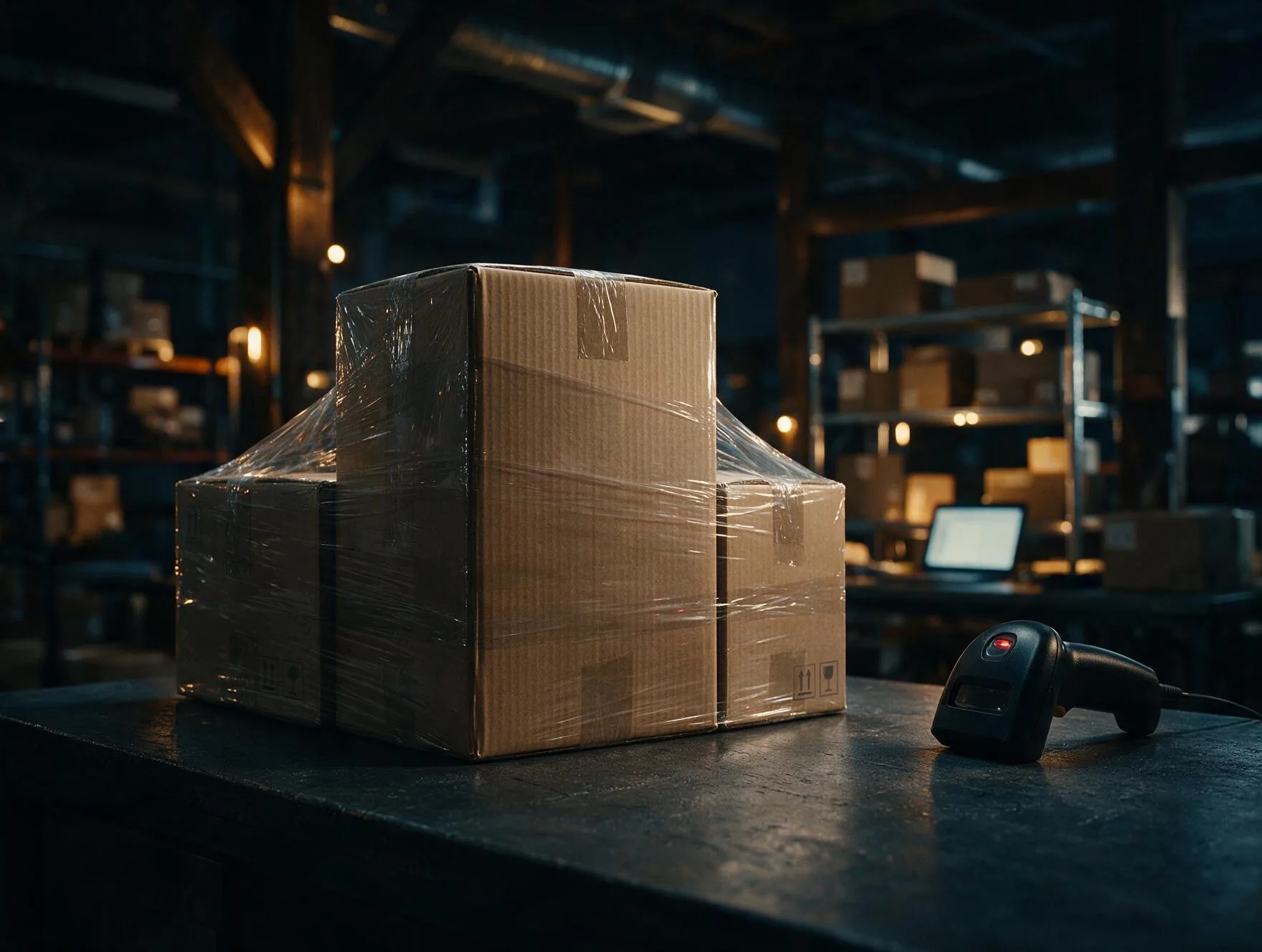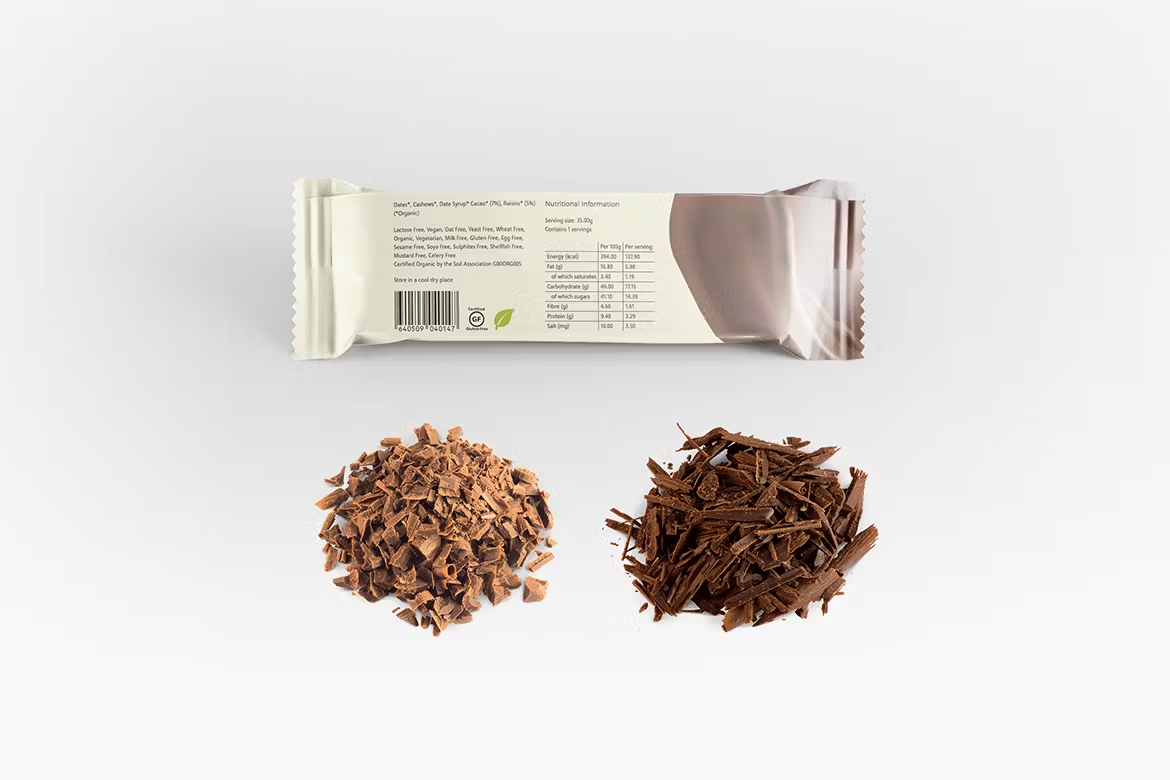
Give the product, information, and print process one plan.
Packaging has to work in someone’s hand and on a printer’s production line. The product name, variant, instructions, and required information need a clear hierarchy on the actual package structure. Scayver Graphix designs that system using the approved product information, supplied dieline, and printer requirements.
Artwork starts with physical constraints.
We review package dimensions, folds, panels, materials, print specifications, retail context, and the set of products or sizes. Then we map what a buyer needs to see first and what must remain legible elsewhere on the package. A variant system helps related products look connected while keeping the differences easy to recognize.
Concepts are developed on the current dieline, not a free-floating mockup. After a direction is selected, the production file follows the printer’s specifications and moves through proof review. The package owner supplies and approves product claims, ingredients, warnings, barcodes, and other required copy through the appropriate reviewers. Design organizes that material. It does not establish its legal accuracy.
Decide the variant system before multiplying files.
A single package may be straightforward. Several flavors, sizes, or product lines create more decisions: which elements stay fixed, which change, and how the system works at the smallest size. The scope can include a content checklist, concept directions, primary package, variant rules, print-ready files, and a proof checklist. The number of variants and formats belongs in the agreed scope before production.
If the product identity itself is still unsettled, brand identity comes first. Mockups can help evaluate presentation, but they do not replace a printer proof.
What the product owner and printer supply
Provide current dielines, printer specifications, approved product copy and claims, SKU and barcode data, variant list, brand assets, and the person who signs off on proofs. We check the artwork against those sources and review whether required information remains clear on the intended package.
Packaging Design pricing and scope
Packaging design receives a custom quote because formats and production requirements vary. We scope SKUs, variants, dielines, information supplied by your team, materials, and vendor proofing. The proposal identifies artwork, file formats, and approval responsibilities. Regulatory claims, structural engineering, printing, and vendor costs are not presumed included.
The published package list is for other defined scopes. Packaging requires a product-specific estimate.
Plan packaging that can reach production.
The package format, product information, and variant list are what we review first. From them we define the design scope and the decisions needed before artwork moves to proof.