When do you need a full branding scope?
Branding is not one file, one workshop, or one new look. It is the work of deciding what your business stands for, how it speaks, how it appears, and how those choices carry into the places customers meet you.
A connected branding program makes sense when the audience, position, message, visual identity, and rollout are all unresolved or no longer agree. Solving only the visual layer can leave an unclear promise untouched. Writing a new promise without rules for the website and sales material can create another disconnect. The full scope organizes the dependencies so one approved phase informs the next.
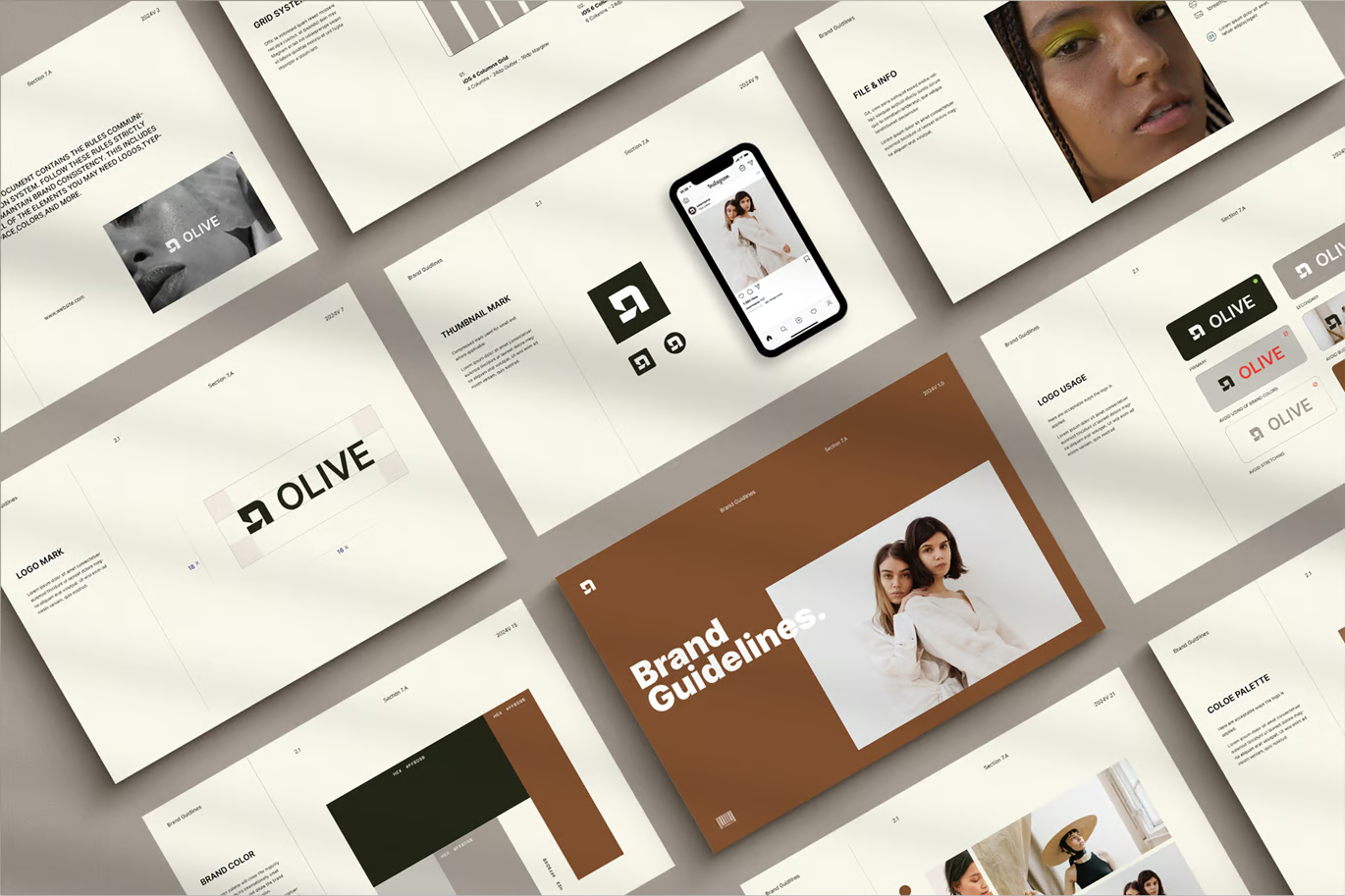
For a connected engagement, Brand Strategy focuses on audience, position, and promise. Brand Identity focuses on the visual system. Brand Guidelines document how an approved system should be used. You do not need to buy every phase if the earlier decisions are already sound.
A brand has to hold together in use.
The most useful test is not whether a presentation looks polished. It is whether a person can recognize the business and understand the same promise across the website, a proposal, an email, and a physical or social touchpoint. Those surfaces do not need identical layouts. They need shared decisions about what matters, what changes by context, and who owns exceptions.
We begin by reviewing the available business, audience, and brand material. We identify what is approved, what is assumed, and what needs a decision. A phase may then cover positioning or message foundations before identity exploration. Selected applications test whether the approved direction works outside the presentation. A handoff may include assets, usage rules, and a rollout order tied to the touchpoints in scope.
Each phase needs an owner who can approve it. Without that decision path, the brand can become a collection of attractive options that no team can use consistently.
What belongs in a branding services scope?
A branding engagement can include discovery, a decision map, strategy and positioning work, identity and messaging directions, priority applications, guidelines, and a rollout plan. The exact sequence depends on what your business already knows. Research, naming, trademark review, copywriting, fabrication, platform implementation, and ongoing governance require explicit scope if they are needed. No single package covers every possible brand task.
An existing brand with a narrower problem may benefit from Brand Audits first. That review can reveal what to keep and whether a full program is justified.
How Branding work moves forward
We agree on the business decision, the audience evidence, the priority touchpoints, and who will approve each phase. We settle the foundation before producing downstream assets. We review chosen applications for consistency and practicality, then hand off the approved system with usage and rollout guidance.
We ask for your brand history, offer and audience information, existing assets, the channels that matter most, and the constraints on rollout. If those inputs are incomplete, the first phase clarifies them, because a visual direction cannot answer everything.
Branding pricing and scope
Starter Branding starts at $2,599. Growth Branding starts at $4,599 for its broader identity and guide. Premium Branding starts at $8,599 for specified activation materials. These starting points do not cover every naming, copy, fabrication, or website task. We match package deliverables to the brief and price additions in the written proposal.
Make the system, not just the pieces, clear.
Sort your brand decisions into the ones that already agree and the ones that conflict. That split shows whether one focused service is enough or a phased branding program is needed.