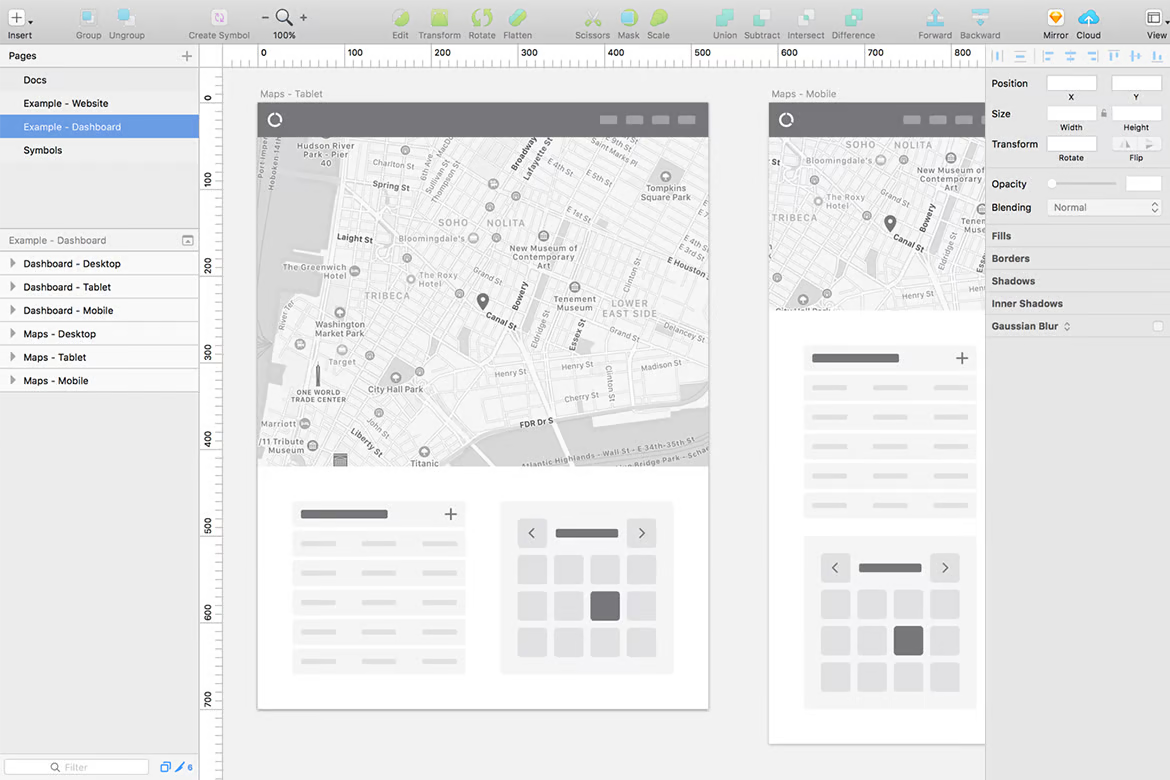
What is the difference between a wireframe and a prototype?
Scayver Graphix uses wireframes and prototypes to show what a visitor sees, what they need to decide, and where the path may need another step.
A wireframe shows the structure of a page or screen. It focuses on content order, navigation, controls, and hierarchy without asking the team to approve final visual polish. A prototype connects screens or states so people can step through a task. It can show where an action leads, what appears next, and where the path ends.
Neither artifact is a finished website or application. Their value is that important decisions remain relatively easy to change. If the team discovers that a question comes too early in a form or that a service page hides its primary action, it can revise the structure before implementing the interface.
Choose the journey before drawing screens.
We begin with a specific task. It could be comparing two services, finding a product, requesting an appointment, or submitting a project inquiry. We identify where the journey starts, what information the person needs, and what counts as a useful completion. We also note what should happen when a step cannot continue.
That framing keeps the prototype from becoming a tour of every page. A small, focused path often reveals more than a large collection of unconnected screens. The scope can expand when the priority journey exposes a dependency on navigation, content, or another flow.
How the review works
Inventory the required pages and states.
We identify the pages, screens, and decisions the task crosses. Content requirements and platform constraints are recorded before the wireframes are treated as final.
Review structure at low fidelity.
Wireframes give the team a way to discuss what belongs where. Feedback focuses on clarity, order, and missing information, not color or decorative style.
Connect and test the path.
The clickable prototype models the agreed journey. We use it to walk through the task with decision owners and, when scoped, appropriate users. The handoff records changes, unresolved questions, and what detailed design or development must account for.
For broader task and interface work, UI/UX Design can carry the project beyond early structure. Interaction Design can specify the detailed response and recovery behavior of the controls.
Inputs for the first wireframes
Share the primary user task, current pages or requirements, available copy, known constraints, and examples of where people hesitate. Identify who can approve the sequence. If you need research with real users, that participation and method are named in the scope.
Wireframes & Prototypes pricing and scope
Wireframes and prototypes are quoted by journeys and decisions to test. They may be a milestone in a new website project, and Starter Website starts at $6,500 for its defined scope. Standalone validation has its own quote. Screen count, fidelity, interaction depth, and test rounds affect price. The proposal states artifacts and whether visual design or development follows.
Test the path before you commit to the build.
Choose the journey that is hardest to explain or approve from static pages. We define the wireframes and prototype that make that decision visible.