What is brand identity design?
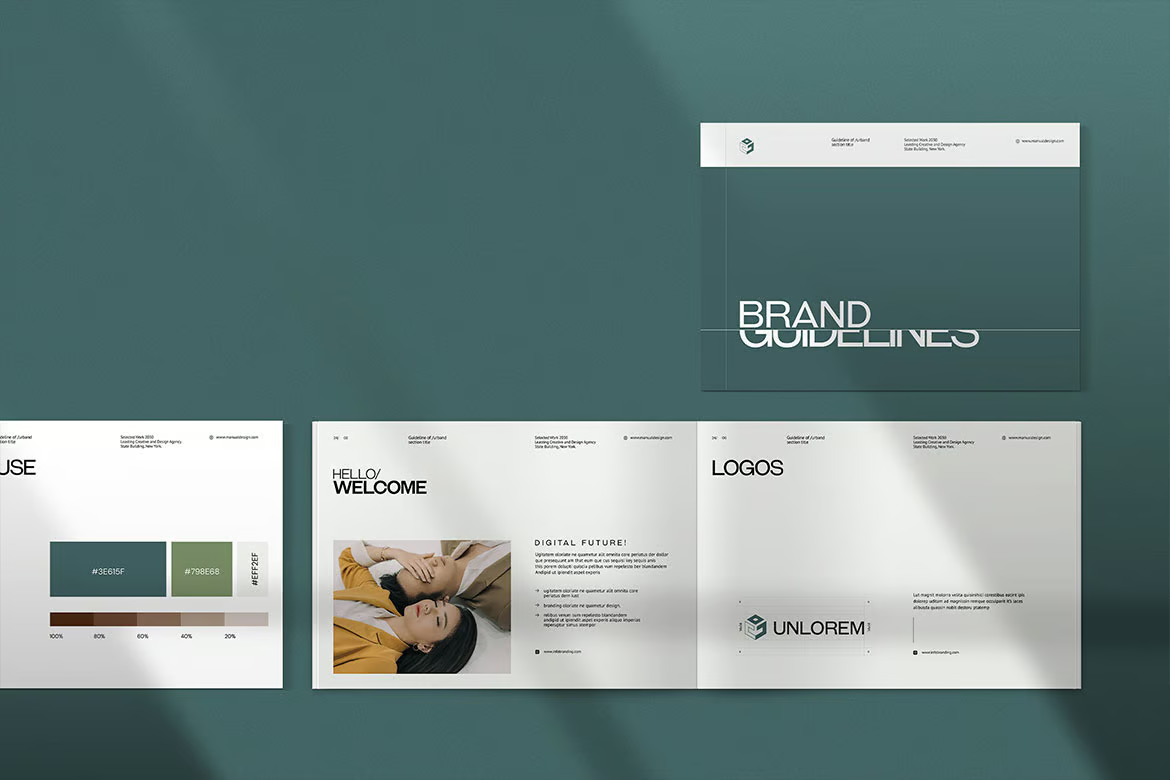
Brand identity design turns a defined brand direction into a usable visual language. It can include a logo family, typography, color, imagery direction, composition rules, and examples of how those elements work together. The goal is not to make every touchpoint identical. It is to give each one a recognizable relationship to the same brand.
Identity work starts with a decision about what your business should communicate. If your audience, offer, or position is still unsettled, Brand Strategy should lead. If you already know those things but your materials look and feel disconnected, identity design can give the team a common foundation.
Design for real applications, not a reveal slide.
A mark that fills a presentation screen may disappear in a small browser tab. A color pairing that looks striking in a mockup may be hard to read on a form or printed handout. We use the applications in your brief to test the direction. That might mean checking a site header, social avatar, document cover, email signature, or sign before finalizing the asset set.
The system should also help people make ordinary choices after the project ends. Which logo belongs on a dark background? How should type scale on a long web page? What kind of imagery belongs with the brand? Clear rules reduce guesswork for your team and for future partners.
How the identity takes shape
Establish the visual brief.
We review the approved brand direction, current assets, audiences, and priority uses. We identify the person who can approve the direction and the constraints that must shape it.
Develop and compare directions.
We evaluate proposed visual routes against the brief, not only personal taste. A promising direction must express the brand’s character and survive practical use across the agreed formats.
Build the working system.
Once a direction is selected, we develop the needed variants and application examples. The agreed handoff can include production files and usage guidance. Brand Guidelines can extend this into a broader reference for teams that produce many assets.
Inputs for the identity brief
Start with your approved business name, existing materials, audience and positioning decisions, and examples of the places the identity must appear. Name any production limits, such as one-color print or small-format use. The scope specifies which applications, files, and review rounds belong in the project.
Brand Identity pricing and scope
Starter Branding starts at $2,599 for a foundation with one logo concept, one revision, typography and color choices, and web/print logo files. A wider identity may require Growth Branding or custom scope. Applications, concepts, refinements, and guidelines affect cost. The proposal names deliverables and separately priced naming, copy, print production, or rollout work.
Make the identity useful to your team.
List the materials that feel disconnected today and the places the brand has to appear next. Those two lists define the visual system and the practical tests it has to pass.